

AJ Foyt Racing
| Duel | Qualifying | Race |
|---|---|---|
| Santino Ferrucci / David Malukas | 3-14 | 9-7 |

In race conditions, however, things were much tougher for Malukas. During the first half of the season, Ferrucci finished ahead of him twice as often, while Malukas managed to edge out his teammate slightly more often in the second half. Still, Ferrucci appears to be the stronger racer of the two, as he frequently delivered impressive comeback drives. Malukas, on the other hand, more often slipped back from strong starting positions—sometimes due to strategy or outright pace, but also because of costly mistakes.
Andretti Global
| Duel | Qualifying | Race |
|---|---|---|
| Colton Herta / Kyle Kirkwood | 11-6 | 9-8 |
| Colton Herta / Marcus Ericsson | 11-6 | 15-2 |
| Kyle Kirkwood / Marcus Ericsson | 9-8 | 14-3 |

Marcus Ericsson will need to take a hard look at himself over the winter to figure out what went wrong. In qualifying, his gap to his teammates was still within reason, but in the races Ericsson stood out for all the wrong reasons. Even switching to a different engineer during the season failed to turn things around. Finishing twentieth in the championship is a bitter disappointment for a driver at a top team. Ericsson can count himself fortunate to have a contract in place through 2026.
Arrow McLaren
| Duel | Qualifying | Race |
|---|---|---|
| Pato O'Ward / Christian Lundgaard | 11-6 | 11-6 |
| Pato O'Ward / Nolan Siegel | 13-4 | 13-3 |
| Christian Lundgaard / Nolan Siegel | 12-5 | 14-3 |
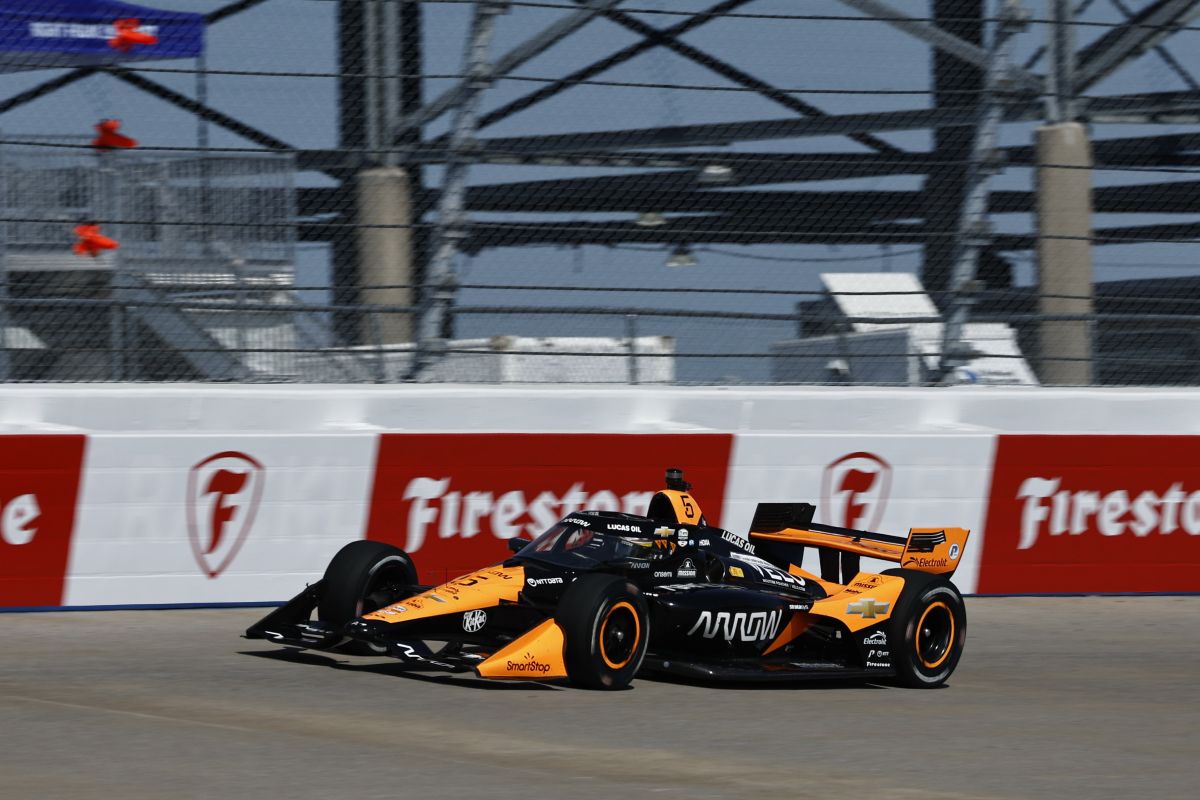
The same cannot be said for Nolan Siegel. In qualifying, he may be showing some progress, but in the races he consistently slips down the order. At best, this is due to a lack of race pace, but all too often it’s the result of crashes—he ended 60% of his oval races in the wall. With only two top-ten finishes, it’s clear he’s not yet ready to drive for a top team. Still, it seems his family is paying enough for McLaren to think otherwise.
Dale Coyne Racing
| Duel | Qualifying | Race |
|---|---|---|
| Rinus VeeKay / Jacob Abel | 15-2 | 14-2 |

As a result, Rinus VeeKay was often left to carry the load on race weekends, which slowed down the car’s development. This frequently led to difficult qualifying sessions, although he consistently outperformed his teammate. More often than not, the team only found a competitive setup by race day, forcing VeeKay into comeback drives. Even so, seven top-ten finishes—including a runner-up result in Toronto—represent an excellent outcome for a team that failed to record a single top-ten last season.
Abel gained valuable experience during his IndyCar rookie season, but he remained well behind VeeKay. If he gets a second season, he will need to show much more than he did this year.
Ed Carpenter Racing
| Duel | Qualifying | Race |
|---|---|---|
| Alexander Rossi / Christian Rasmussen | 10-7 | 10-7 |
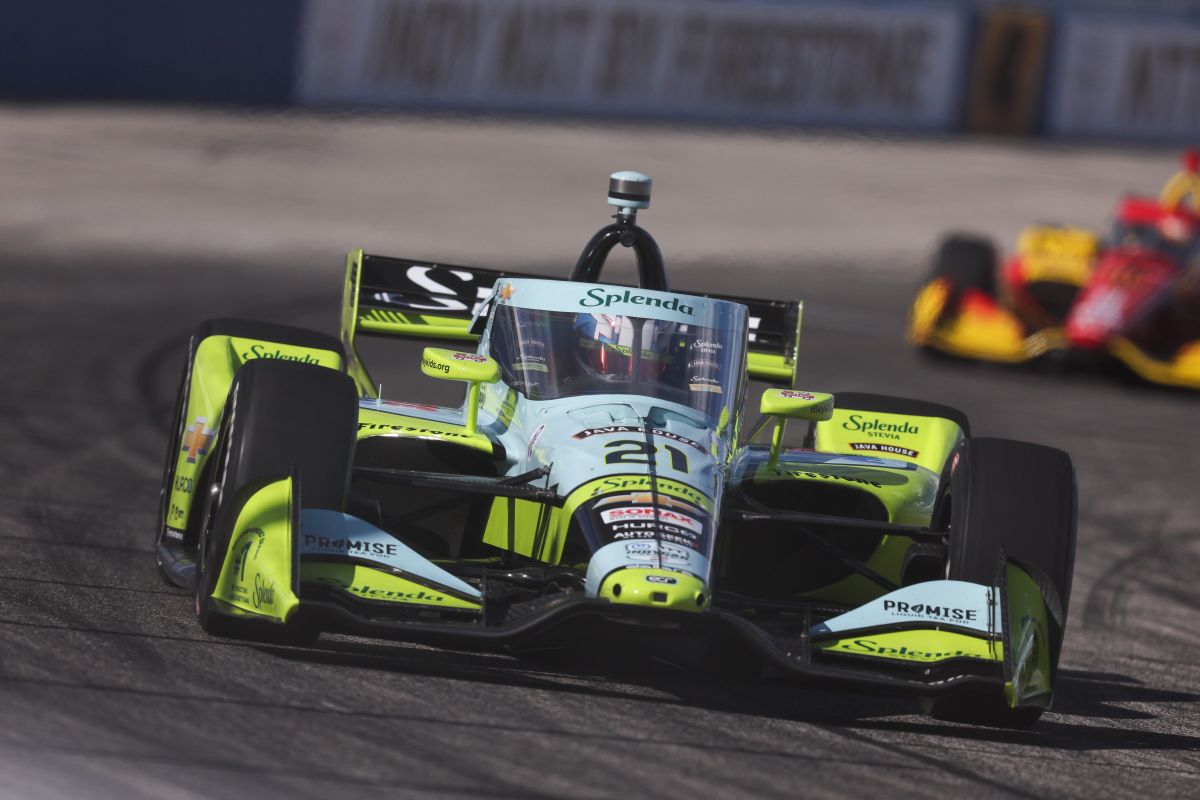
Alexander Rossi was brought in as the new team leader, tasked with guiding the squad to greater success. He outperformed teammate Christian Rasmussen 10–7 in both qualifying and race results. Yet surprisingly, Rasmussen emerged as the team’s moral victor. The Dane showed consistent progress throughout the season and was often quicker than his more experienced teammate in the closing rounds. With an aggressive driving style, he claimed victory in Milwaukee and even finished ahead of Rossi in the championship standings.
Chip Ganassi Racing
| Duel | Qualifying | Race |
|---|---|---|
| Alex Palou / Scott Dixon | 15-2 | 15-2 |
| Alex Palou / Kyffin Simpson | 17-0 | 15-2 |
| Scott Dixon / Kyffin Simpson | 12-5 | 13-4 |

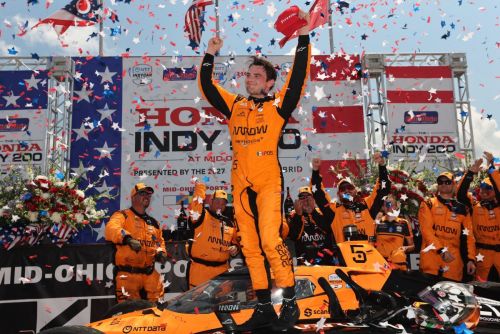
Scott Dixon may not have had much to challenge Palou’s outright speed, but at 45 years old he continues to perform at an elite level. He proved that not only with his victory at Mid-Ohio but also with his third-place finish in the championship.
Rookie Kyffin Simpson is not yet able to match the pace of his experienced teammates. Like Nolan Siegel, Simpson finds himself in a top car thanks to substantial family backing. Unlike Siegel, however, he is clearly showing progress. He broke into the top ten more often—six times this season—including a breakthrough first IndyCar podium with a third-place finish in Toronto. That’s a remarkable step forward compared to his debut season, when he failed to record a single top-ten result.
Juncos Hollinger Racing
| Duel | Qualifying | Race |
|---|---|---|
| Conor Daly / Sting Ray Robb | 13-4 | 13-4 |

On road and street courses, Daly was less competitive, but he still comfortably outperformed teammate Sting Ray Robb. Robb initially showed signs of progress with a ninth-place finish at Long Beach but faded afterward. Now, after three seasons in the IndyCar Series, he remains little more than a backmarker.
Meyer Shank Racing
| Duel | Qualifying | Race |
|---|---|---|
| Felix Rosenqvist / Marcus Armstrong | 9-8 | 8-9 |
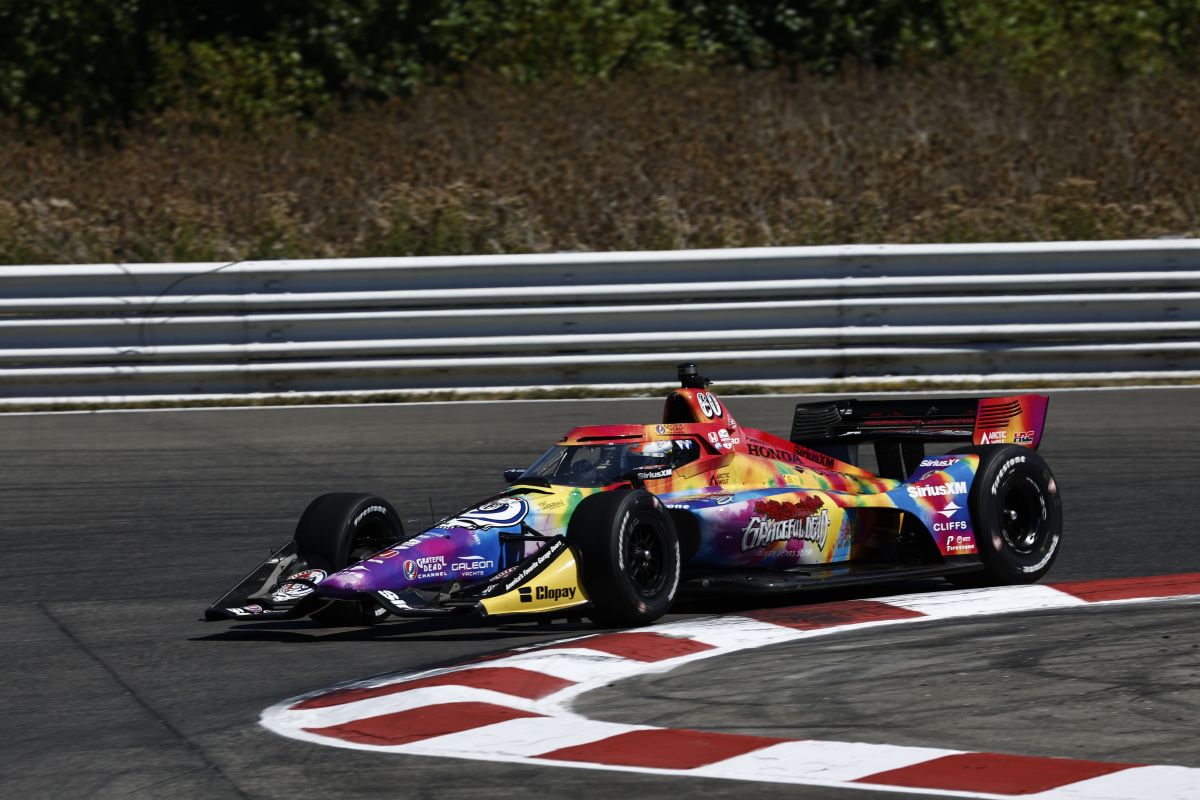
In qualifying, Rosenqvist held a slight edge, but Armstrong often came out on top in the races. Notably, in the second half of the season Armstrong was more frequently the higher finisher of the two. Even so, it was Rosenqvist who placed higher in the championship, taking sixth overall with just eight more points than Armstrong in eighth.
This year, Meyer Shank Racing truly had the ideal driver pairing, with both competitors extracting the maximum from their cars.
Prema
| Duel | Qualifying | Race |
|---|---|---|
| Callum Ilott / Robert Shwartzman | 12-5 | 9-8 |
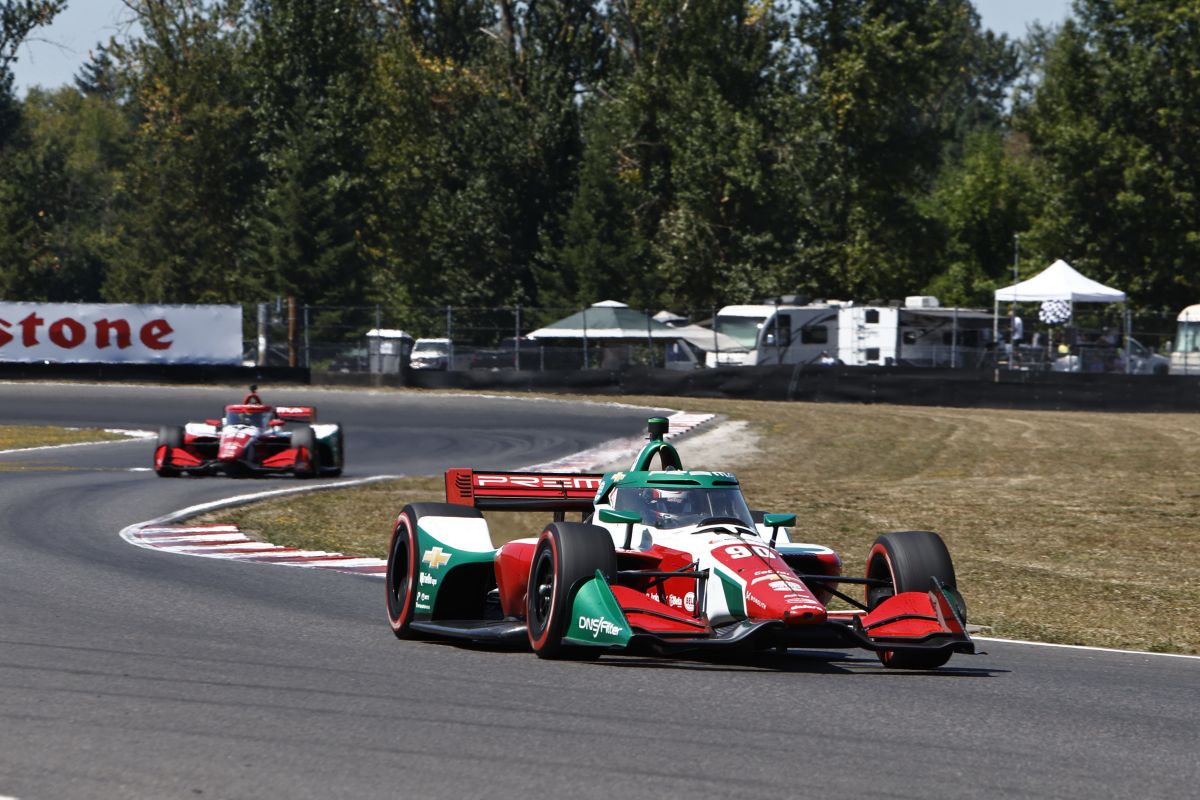
Looking at the head-to-head battle between Ilott and Shwartzman, it’s no surprise that the more experienced Ilott frequently had the upper hand in qualifying. What is more surprising is how close Shwartzman ran to him in the races. In the end, Ilott narrowly won the duel, but the fact that Shwartzman, as a rookie, was able to push his teammate so closely is highly encouraging.
Rahal Letterman Lanigan Racing
| Duel | Qualifying | Race |
|---|---|---|
| Graham Rahal / Louis Foster | 8-9 | 10-7 |
| Graham Rahal / Devlin DeFrancesco | 13-4 | 12-4 |
| Louis Foster / Devlin DeFrancesco | 11-6 | 7-10 |

In qualifying, Foster edged out Rahal slightly more often, but in the races, Rahal’s experience usually made him the highest-finishing Rahal Letterman Lanigan Racing driver.
Then there was Devlin DeFrancesco, who has yet to score a top-ten finish in his IndyCar career. This season, he again made very little impact. His highlight was a fifth-place starting position at the Grand Prix of Indianapolis, yet he still finished behind both teammates. That he frequently ended up behind his teammates was often due to their own issues or because they struggled even more with their cars.
Team Penske
| Duel | Qualifying | Race |
|---|---|---|
| Josef Newgarden / Scott McLaughlin | 7-10 | 8-9 |
| Josef Newgarden / Will Power | 9-8 | 6-11 |
| Scott McLaughlin / Will Power | 10-7 | 7-10 |
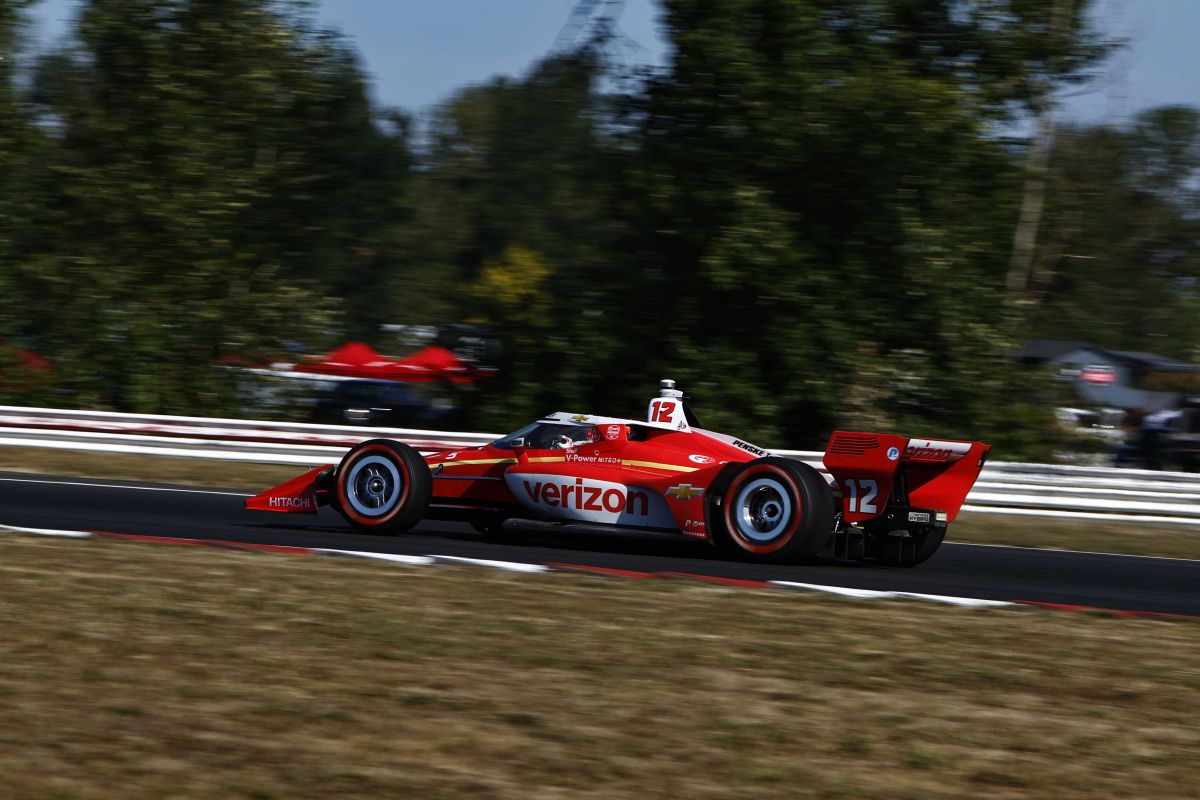
In qualifying, Scott McLaughlin was notably the fastest Penske driver, though the gaps between teammates were small. Will Power was the team’s strongest performer in the races over the course of the season, both in head-to-head battles and in the IndyCar championship. Ironically, Power was replaced at the end of the season.
PhotographyPenske Entertainment