
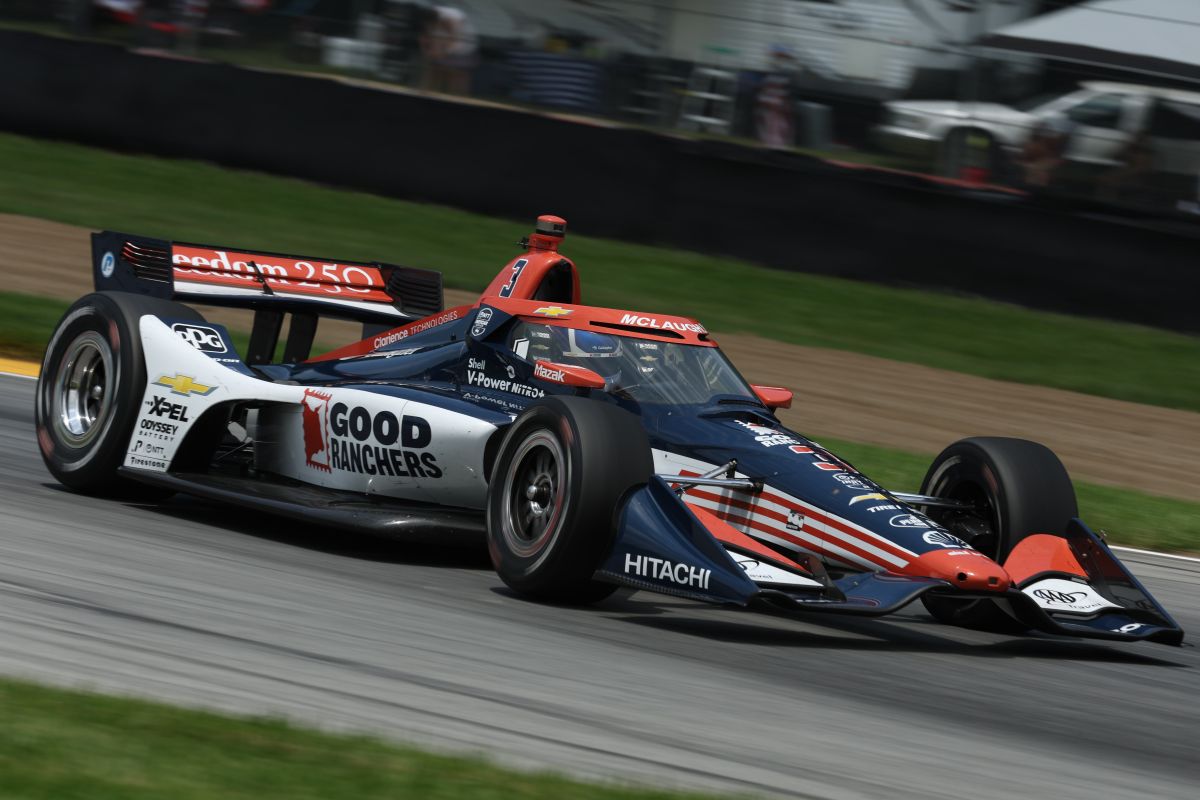
87 - Scott McLaughlin completed an incredible 87 laps without a functioning cooling vest. The system failed after just three laps, making for an extremely difficult afternoon in the high temperatures at Lexington, Ohio. McLaughlin ultimately finished 16th.
82 - Overtaking was at a premium this year, with just 82 passes for position compared to 110 a year ago. However, last year's total was helped by two full course cautions, while this year's race ran caution-free.
66.53 - A ninth-place finish made for a disappointing afternoon for Josef Newgarden, but he did claim the fastest lap of the race with a 1:06.530 (66.53 seconds). In the fastest laps ranking, Rinus VeeKay finished second ahead of Will Power.
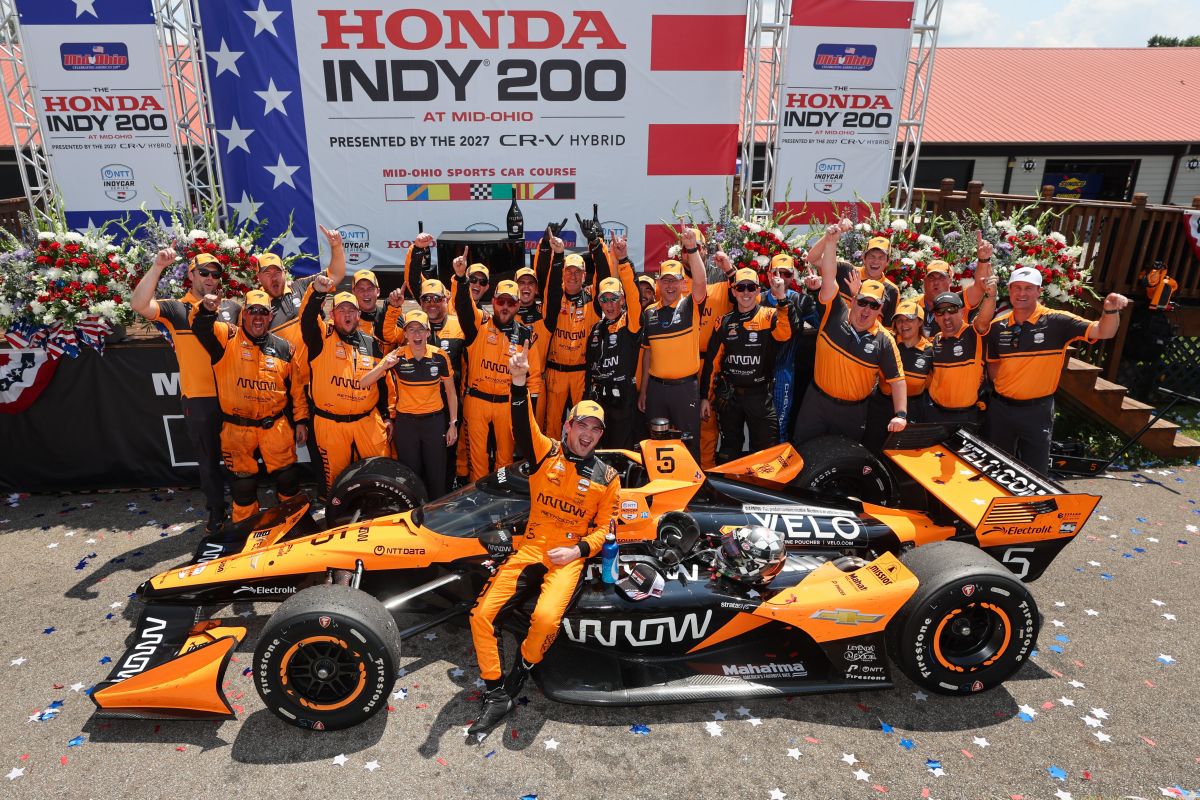
31 - It was an excellent weekend for Chevrolet. Thanks to an Arrow McLaren 1-2 finish by Pato O'Ward and Christian Lundgaard, along with Rinus VeeKay taking valuable points away from Alex Palou with his fourth-place finish, Chevrolet outscored Honda by 31 points. Honda's lead in the manufacturers' championship now stands at just 24 points.
14 - Marcus Armstrong gained more positions than anyone else in the race. The Meyer Shank Racing driver started 24th and finished tenth, a gain of 14 positions.
14 - A costly pit stop made 'the other Marcus' - Marcus Ericsson - the biggest loser in the field. He started seventh but dropped to 21st at the checkered flag, losing 14 positions.
9 - Scott Dixon recorded the most passes for position during the race with nine. He finished ahead of Nolan Siegel, who made seven passes, while Sting Ray Robb, Kyle Kirkwood, and Alex Palou each completed six.
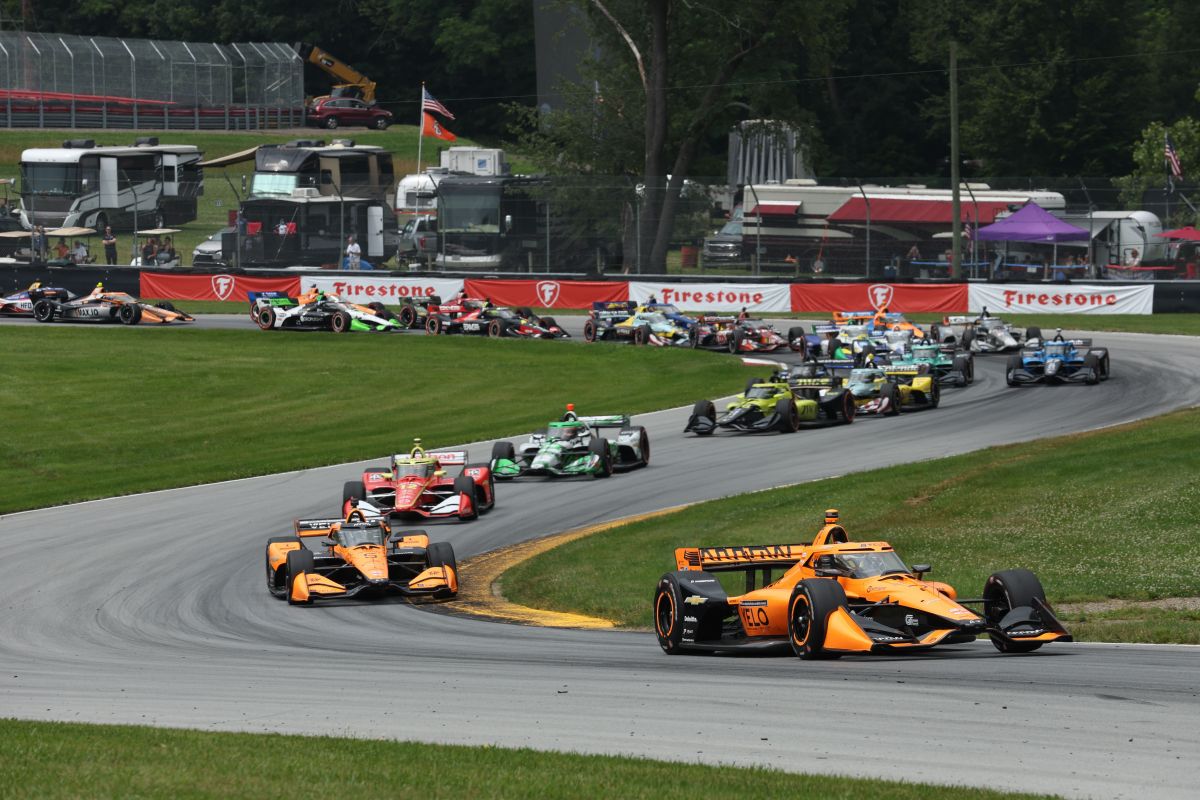
4 - Four different drivers led at least one lap: Pato O'Ward (45 laps), Christian Lundgaard (41), Will Power (2) and Josef Newgarden (2).
4 - Despite a disappointing weekend, Alex Palou's championship lead shrank by only four points. Kyle Kirkwood has reclaimed second place in the standings ahead of Christian Lundgaard, while David Malukas dropped from second to fourth.
2 - This marked only the second race of the season (out of 11) in which Alex Palou failed to lead a lap. The other came at Phoenix, where he crashed out after just 21 laps.
2 - Race Control handed out only two penalties during the race. Alexander Rossi and Marcus Ericsson were each instructed to surrender two positions for avoidable contact with Scott Dixon.
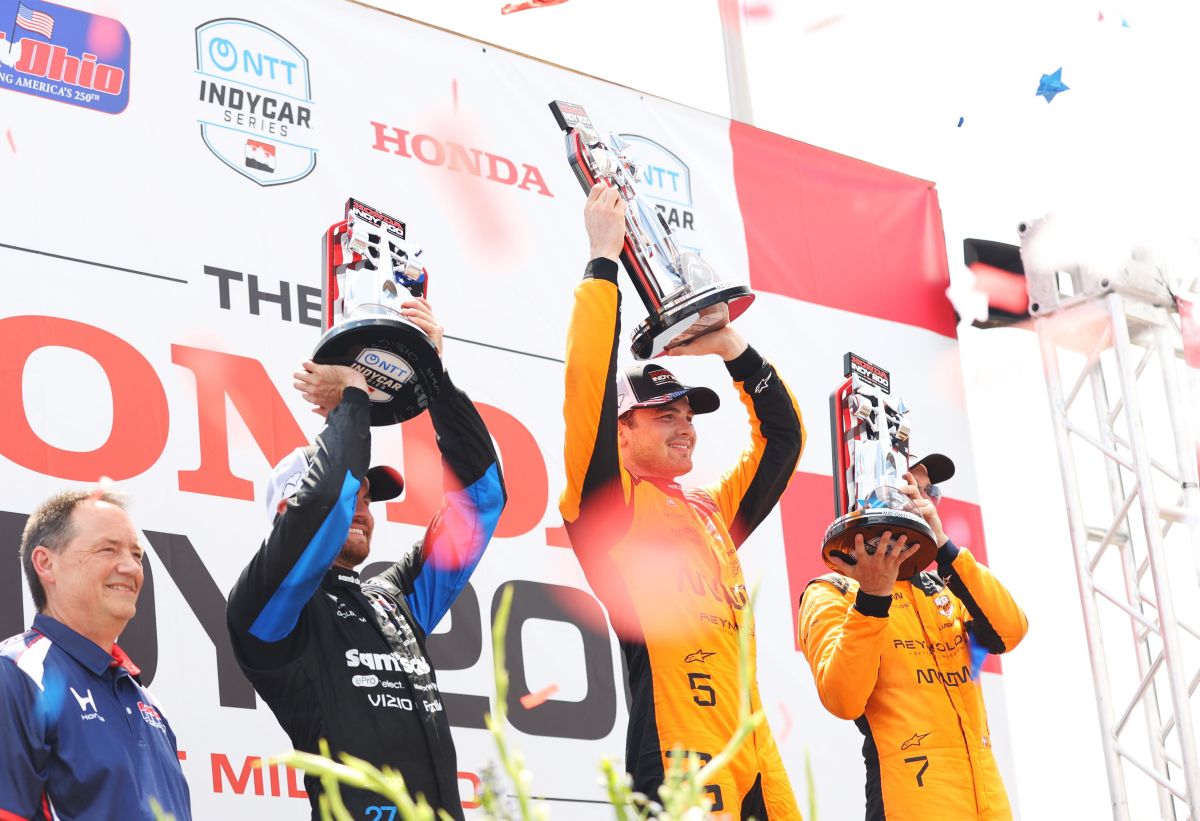
1 - For Arrow McLaren, this marked the team's first-ever 1-2 finish in IndyCar competition.
0.7187 - Rinus VeeKay appeared to be on his way to Juncos Hollinger Racing's first non-oval podium before losing out during the final round of pit stops because his stop was slightly slower than Kyle Kirkwood's. Just how much slower? Exactly 0.7187 seconds, measured from pit entry to pit exit.
0.258 - The smallest mistakes can have huge consequences. Christian Lundgaard lost the race when he ran slightly wide behind a lapped car through the Keyhole on Lap 42. That allowed Pato O'Ward to close the gap and pull alongside entering Turn 4 before completing the decisive pass after a thrilling wheel-to-wheel battle. How costly was Lundgaard's mistake? Through the Keyhole alone, he lost just 0.258 seconds to O'Ward.
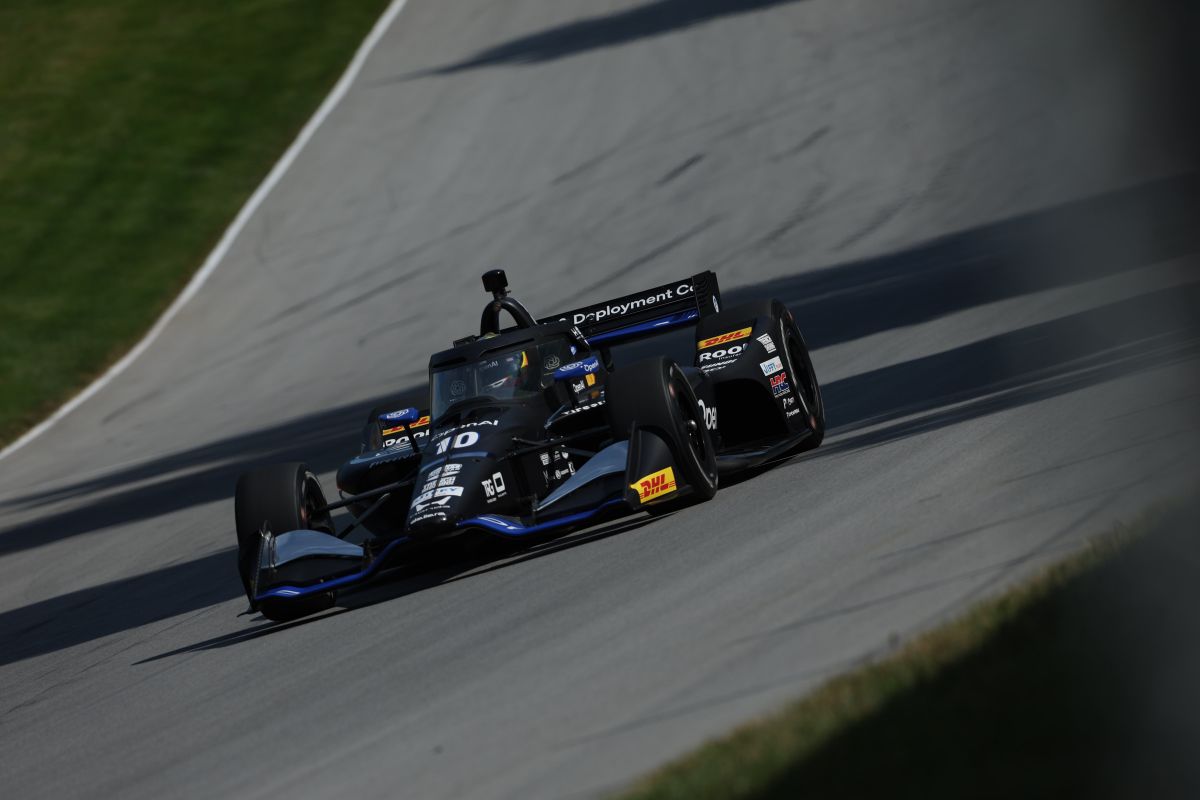
0.033 - The margins in the second qualifying group for advancing to the Firestone Fast 12 were incredibly tight. Josef Newgarden qualified ninth, missing sixth place—and a spot in the Fast 12—by just 0.033 seconds.
0 - Pato O'Ward and Rinus VeeKay recorded exactly the same lap time—to the thousandth of a second—in the second qualifying group: 1:05.0203.
PhotographyPenske Entertainment