




In addition to racing on the paved ovals of Indianapolis, Milwaukee and Darlington, the 12 race schedule filled by 12 races on dirt tracks. These dangerous dirt tracks would gradually by replaced by paved ovals over the next fifteen years.
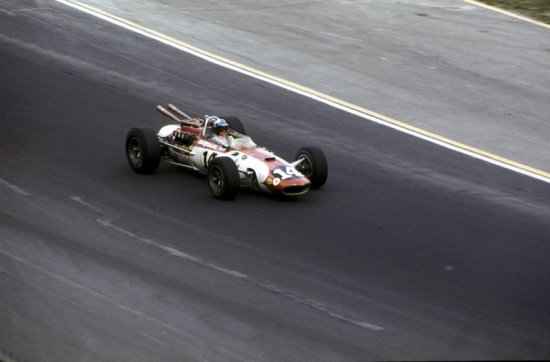
In 1964 Mario Andretti drove his first Indy Car race. An successful career would be ahead of the Italian immigrant, who would win five Indy Car championships. Andretti would also be the first driver to win both an Indy Car and Formula 1 championship, something later only Emerson Fittipaldi, Nigel Mansell and Jacques Villeneuve would be able to repeat. Both drivers kept racing before retiring from racing in the nineties, although Andretti would make a short return in 2003 as replacement driver for Tony Kanaan in Indianapolis on age 63.
The cars began to change significantly in the early sixties. After several attempts, Parnelli Jones won in 1964 at the Milwaukee Mile with a Lotus-Ford, which was the first victory for a car with the engine behind the driver. Also those engines changed from normally aspirated engines to turbo engines. From 1970 to 1997 (when the Indy Racing League started using normally aspirated engines again), all races - except for Mike Mosley's victory at Milwaukee in 1981 – were won by turbocharged engines.
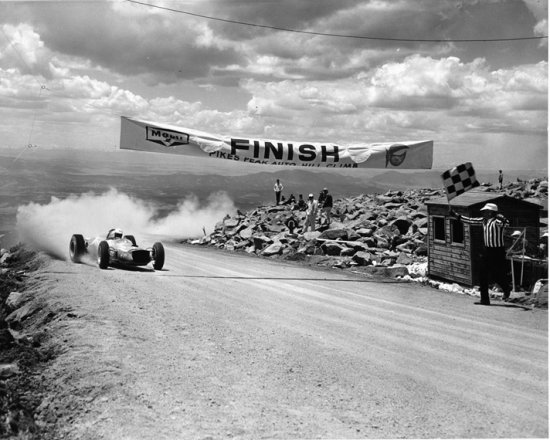
The road courses began an come-back during the second half of the sixties, but this trend was only short-lived and like the dirt tracks, also road courses disappeared from the calendar in the early seventies. From 1971 to 1976 the series drove solely on paved ovals. This streak was ended by a race at the Canadian Mosport, on July 3, 1977. A year later the series tried a first trip to Europe, with races at Brands Hatch and Silverstone, but it would be unsuccessful.
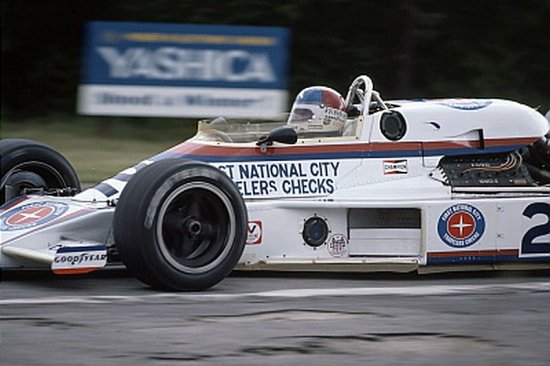
After the 1979 season, USAC made the right choice and joined CART, making it one strong championship again.