
A.J. Foyt Racing
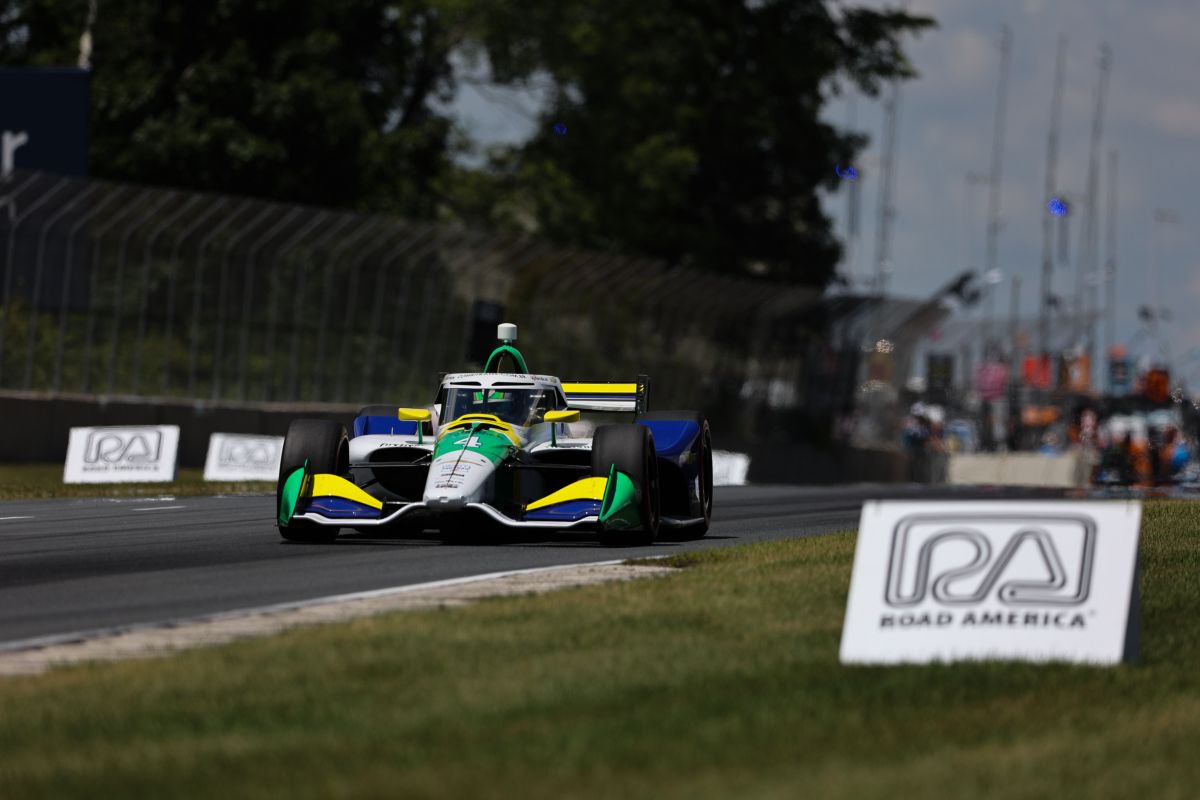
For AJ Foyt Racing, 2026 was a season to forget quickly. After a year in which the team was often competitive, the team was barely able to make an impact this year. When looking at the two highest-scoring drivers, Larry Foyt's team was even the worst-performing team on the grid.
In qualifying, both AJ Foyt Racing drivers were very evenly matched. This says quite a bit about the Caio Collet's abilities, as Santino Ferrucci has proven his speed in the past. However, Collet was unable to translate that into the races, partly because he finished only two of the six oval races and crashed out of three. Ferrucci often kept his car out of trouble and therefore finished ahead of his inexperienced teammate more often.
| Duel | Qualifying | Race |
|---|---|---|
| C. Collet / S. Ferrucci | 9-9 | 6-12 |
Andretti Global
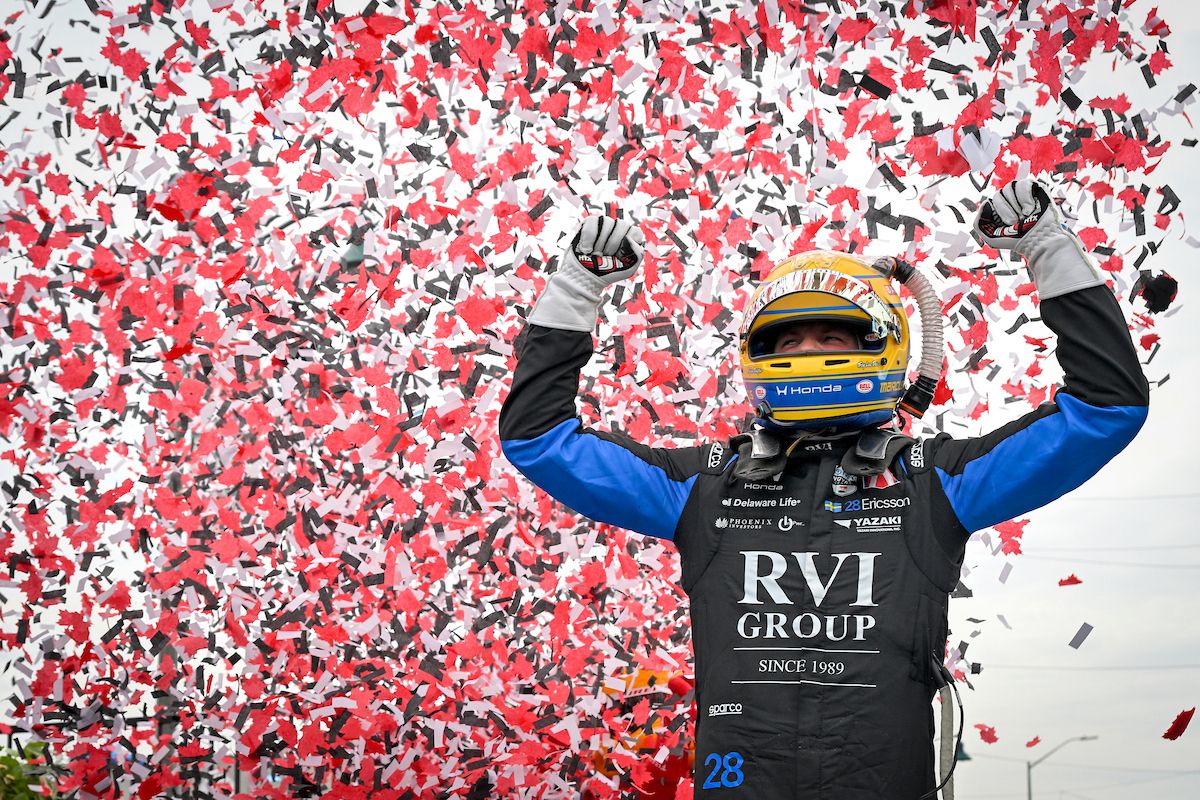
When it comes to the internal battles, Andretti Global is an interesting story. First of all, it is remarkable to see how Marcus Ericsson became competitive again after two unsuccessful seasons. Not only in the championship, but also compared to his teammates. In qualifying, the Swede was even the team's strongest performer! In the races, however, Ericsson often had to let teammate Kyle Kirkwood past, but with a win in Markham, he enjoyed a successful season.
Kirkwood may not have been the strongest driver in qualifying, but in the races he was often able to beat his teammates. Finishing second in the championship was therefore a fitting reward for his season, in which Kirkwood remained consistently strong throughout the year and also scored his first two podium finishes on a permanent road course.
Will Power showed that it is not easy to be immediately competitive at Andretti Global. For the two-time IndyCar champion, the year was too much of a 'top or flop' affair. Power finished on the podium five times, compared to just one podium finish for the driver who finished ahead of him in the championship (Rinus VeeKay). Too many poor results, largely caused by his own mistakes, prevented Power from finishing the season inside the top ten in the championship. It is therefore not surprising that he was often the slowest driver on the team.
| Duel | Qualifying | Race |
|---|---|---|
| K. Kirkwood / M. Ericsson | 9-9 | 13-5 |
| K. Kirkwood / W. Power | 9-9 | 15-3 |
| M. Ericsson / W. Power | 11-7 | 10-8 |
Arrow McLaren
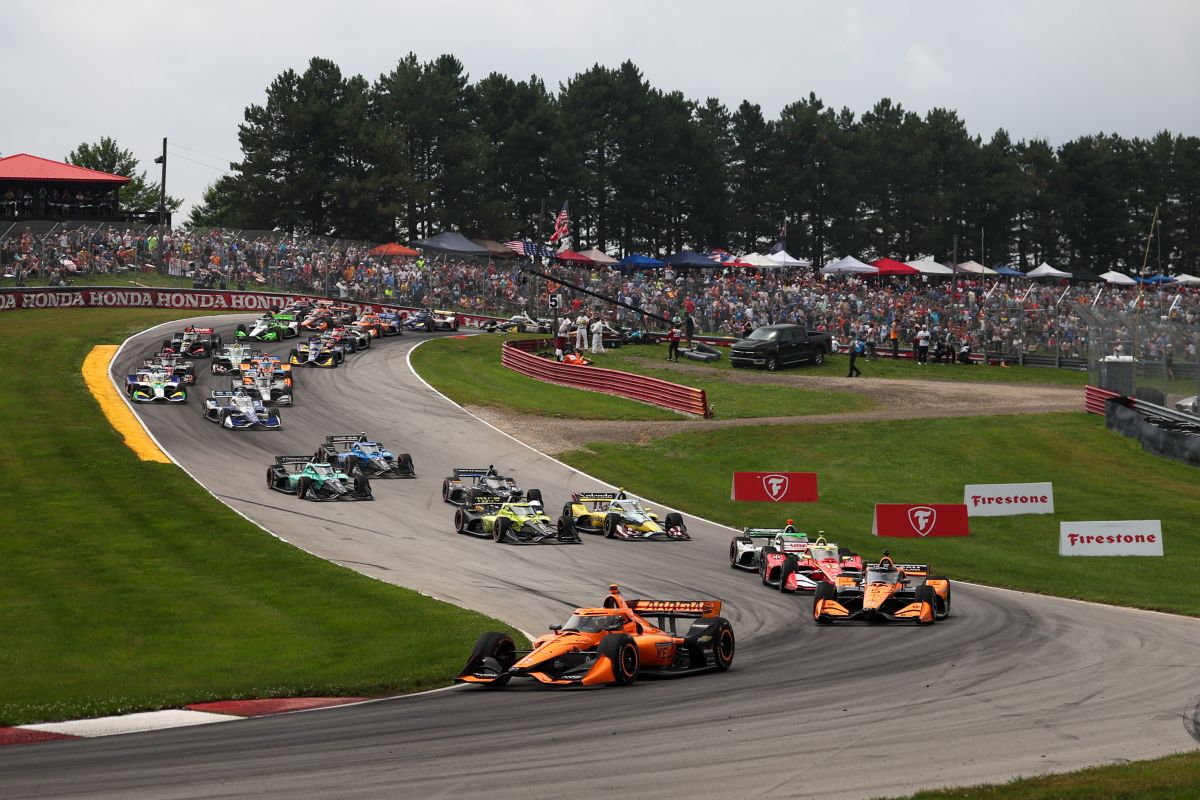
The 2026 season was the best year in Arrow McLaren's IndyCar history, with third and fourth-place finishes in the championship and a total of five wins. Looking at the internal battles, Pato O'Ward comes out on top, with better race results than teammates Christian Lundgaard and Nolan Siegel more often than not.
Yet it was Lundgaard who finished ahead of O'Ward in the championship, simply because O'Ward had too many races in which he was largely invisible. While O'Ward finished outside the top ten six times, Lundgaard did so only four times. It is all the more remarkable that McLaren let Lundgaard go in exchange for Felix Rosenqvist and Scott Dixon.
Siegel's departure had been coming for quite some time. Despite the young American clearly improving, he was still often much slower than his teammates this year.
| Duel | Qualifying | Race |
|---|---|---|
| C. Lundgaard / N. Siegel | 14-4 | 15-3 |
| C. Lundgaard / P. O'Ward | 5-13 | 8-10 |
| N. Siegel / P. O'Ward | 3-15 | 2-16 |

Dale Coyne
Dale Coyne Racing started the season strongly with two drivers reaching the Firestone Fast 6 in the season opener in St. Petersburg, but from that point on, the team's fast cars were largely a thing of the past.
The battle between rookie Dennis Hauger and Romain Grosjean is an interesting one. During the first half of the season, it was surprisingly Hauger who finished ahead of his experienced teammate more often, but as the season progressed, Grosjean found his rhythm with the team and turned a 5-4 deficit at the halfway point into a convincing 7-11 victory. Grosjean's season highlight came in Markham, Canada, where he finished second thanks to a clever strategy and good fuel saving.
Qualifying was much closer between the two drivers, which certainly says something about Hauger's abilities. The Norwegian was therefore the winner of the Rookie of the Year title.
| Duel | Qualifying | Race |
|---|---|---|
| D. Hauger / R. Grosjean | 8-10 | 7-11 |
ECR
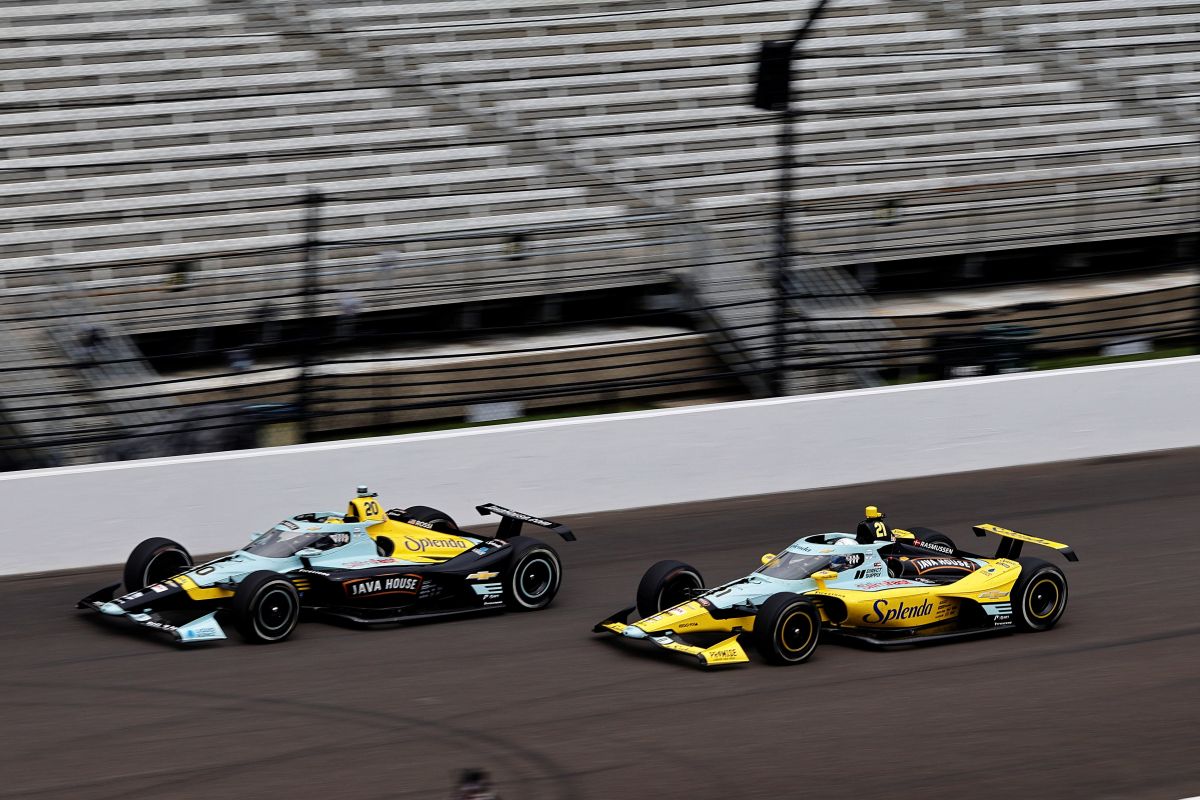
If there is one team that is happy to see 2026 come to an end, it is ECR. Despite major investments over the past two years, the team was too often neither competitive nor reliable. In no fewer than four races, none of the team's cars made it to the finish, including the Indy 500, where all three of its cars retired.
With so many problems during the races, the qualifying battle is the only relevant one. Alexander Rossi was ECR's top-performing driver in qualifying more often than Christian Rasmussen. Even Rossi will not be satisfied with that, however, as Rasmussen was unable to continue his strong performances from 2025 and was often seen running at the back of the field.
Still, the IndyCar season ended on a high note for the team, which was suddenly highly competitive with Rossi in the season finale at Laguna Seca and scored a podium finish with the Californian.
| Duel | Qualifying | Race |
|---|---|---|
| A. Rossi / C. Rasmussen | 11-7 | 11-7 |
Ganassi Racing
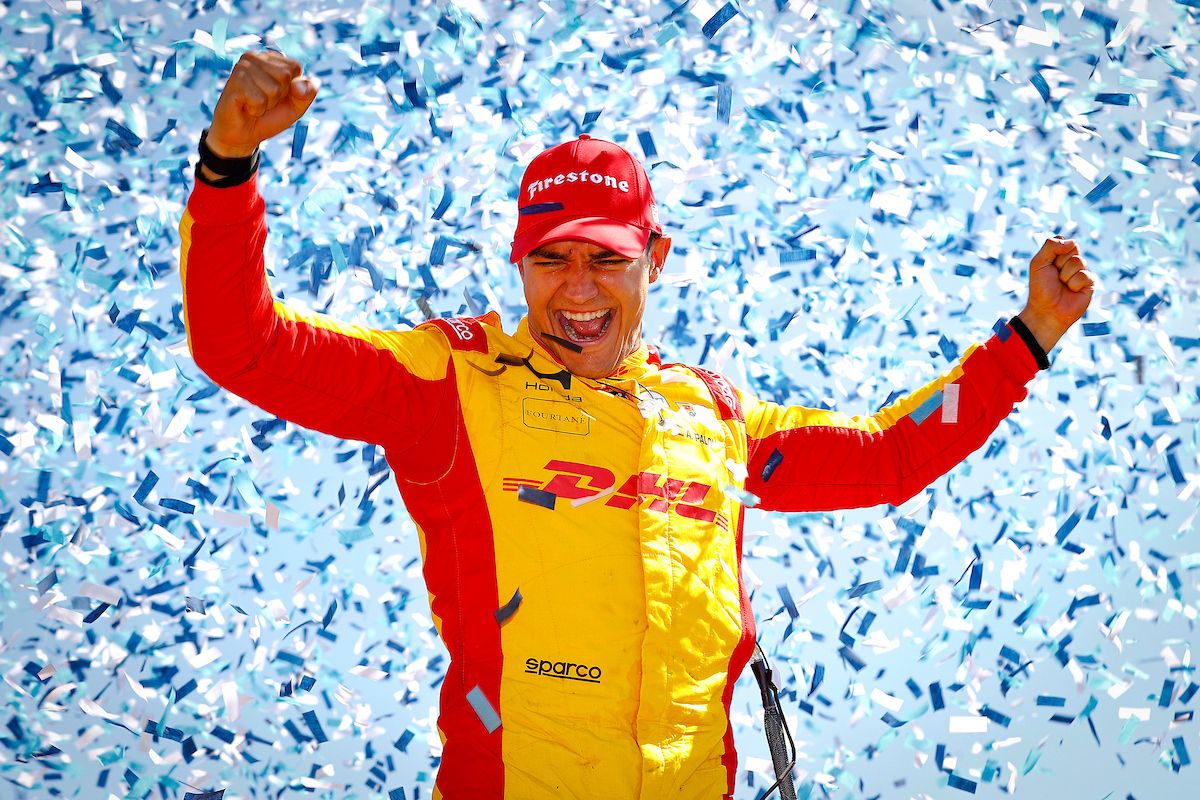
The internal battle at Chip Ganassi Racing reflects the championship battle; Alex Palou is the dominant force who simply rules on every level. The only times Palou found himself behind his teammates this season were when he made a mistake or a strategy did not work out as hoped.
It is all the more remarkable that six-time IndyCar champion Dixon had such a difficult time with teammate Simpson this year. In qualifying, Dixon was still significantly faster of the two, but in the races, Simpson finished ahead of Dixon more often than the other way around.
This says something about both Simpson and Dixon. Simpson has continued his steady development. The driver from the Cayman Islands is still well short of the level you would expect from a driver at a top team, but he has certainly moved closer.
On the other hand, Dixon simply had a very poor season. Remarkably, his final year with Ganassi was his worst season since his first year with the team in 2002. It may partly be because he announced his move to McLaren early on; in the second half of the season, Dixon finished in the top ten only once. That also brought an end to his streak of consecutive seasons with at least one win after 21 years.
| Duel | Qualifying | Race |
|---|---|---|
| A. Palou / K. Simpson | 18-0 | 15-3 |
| A. Palou / S. Dixon | 17-1 | 15-3 |
| K. Simpson / S. Dixon | 5-13 | 11-7 |
Juncos Hollinger Racing
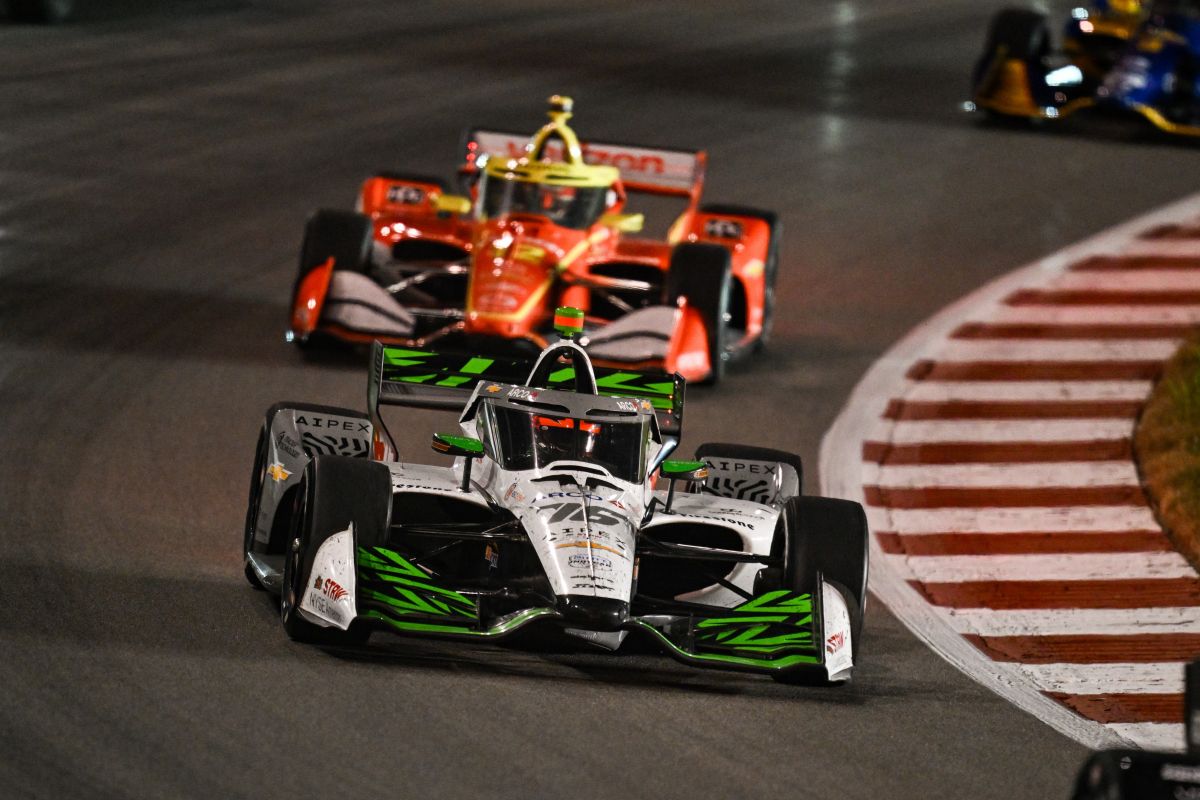
The biggest gap within a team could be found at Juncos Hollinger Racing, where Rinus VeeKay - just as he did a year earlier at Dale Coyne Racing - had to carry the team on his own. After a difficult start to the season, the new partnership between the 26-year-old driver and Juncos Hollinger Racing began to produce real results from the Indy 500 onward.
Following a test at Mid-Ohio Sports Car Course, VeeKay and his team also found the right balance for the road- and street courses, after which he became a regular in the top ten. VeeKay finished in the top ten seven times in the final twelve races, including three fourth-place finishes and one third-place finish, which saw him finish tenth in the championship - the best-ever result for both himself and his team.
On the other side of the garage, the results were much less positive. The only time Sting Ray Robb beat his teammate was in the race at Phoenix, after VeeKay lost five laps following contact with Alex Palou. With drivers such as Robb, you at least want to see some signs of improvement. Despite the Idaho-born driver spending a second consecutive year with the same team for the first time, he scored just one more point than in 2025. The 2026 calendar featured one more race, however, meaning he ultimately performed even worse than in 2025. Will his large sponsorship budget for 2027 be enough to secure another seat?
| Duel | Qualifying | Race |
|---|---|---|
| R. VeeKay / S. Robb | 18-0 | 17-1 |
Meyer Shank Racing
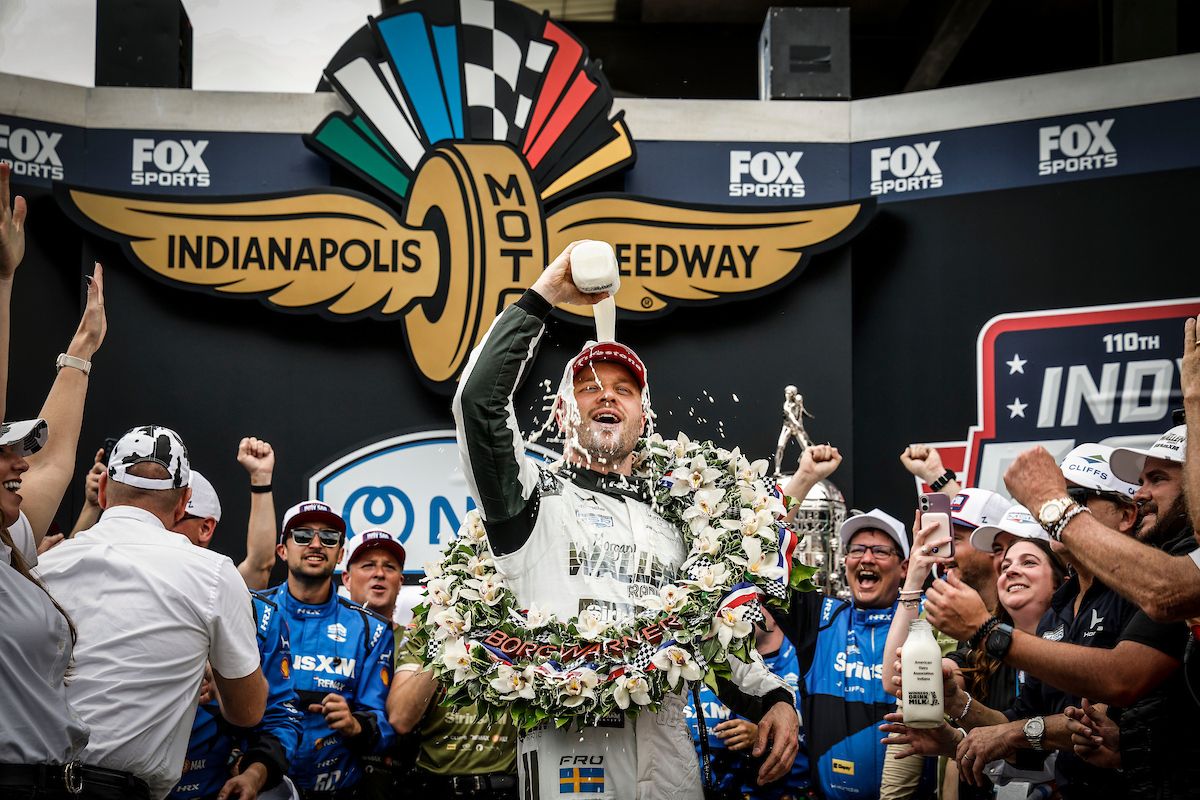
Despite Meyer Shank Racing being able to build on a highly successful 2025 season with the same drivers, the team slipped back somewhat in terms of performance this year. On the other hand, with Felix Rosenqvist, the team won the Indy 500, the most important race of the year.
Rosenqvist beat teammate Marcus Armstrong more often in qualifying, although the difference was truly minimal. In the races, it was more often the other way around, which is remarkable considering that Armstrong was plagued by engine problems throughout the year and even saw his first IndyCar win at Road America literally go up in smoke.
Rosenqvist's weaker race performances also match what we have seen from him in previous IndyCar seasons. The Swede has often got an impressive pace in qualifying, but in the races he often lacks the speed to maintain his strong starting position. Rosenqvist's performances are also inconsistent; one weekend he can fight for the positions at the front, while the next weekend he can be stuck in the midfield.
| Duel | Qualifying | Race |
|---|---|---|
| F. Rosenqvist / M. Armstrong | 11-7 | 8-10 |
Rahal Letterman Lanigan
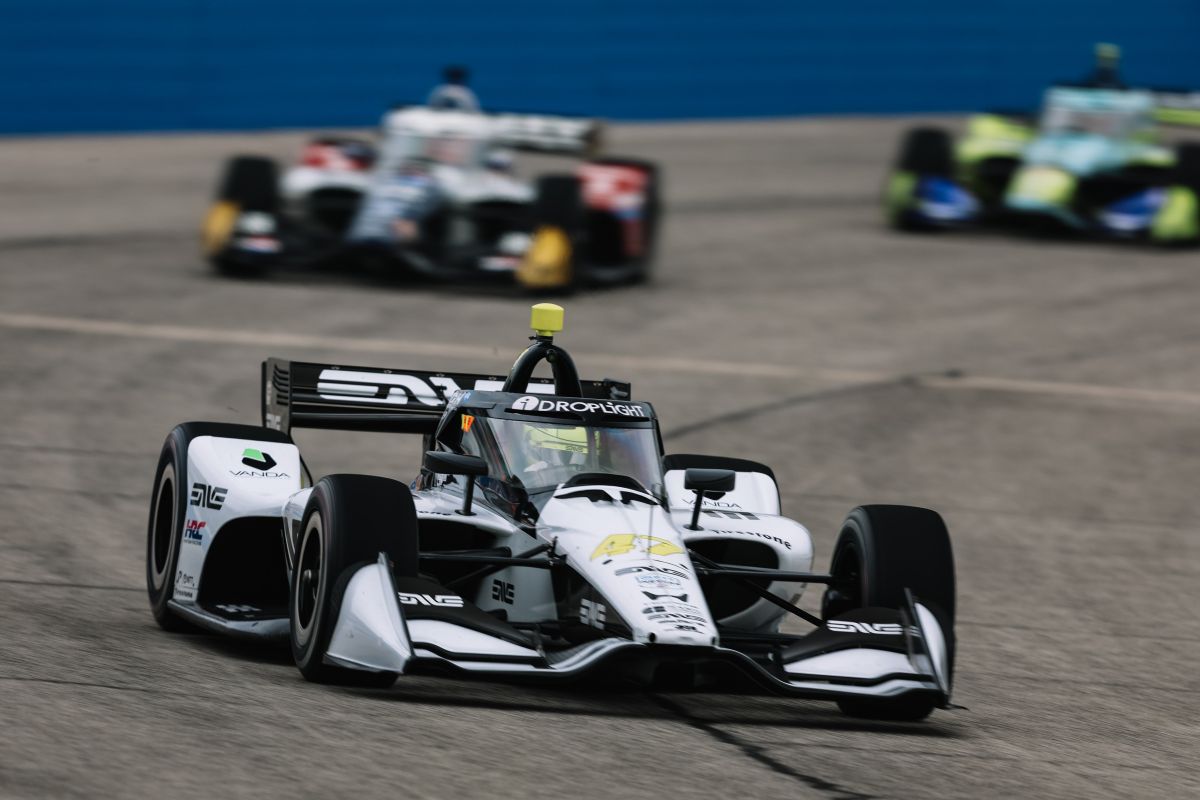
At Rahal Letterman Lanigan Racing, Louis Foster was once again the team's leading driver in qualifying. But where he consistently faded during the races in 2025, the Englishman was able to maintain his position more often this year, with two seventh-place finishes as his best results.
Graham Rahal started the season extremely strongly with three third-place finishes in the first eight races, but in the final ten races he finished in the top ten only once. As a result, Foster drew level with Rahal in the race battle at 9-9. It is also interesting to see that Rahal was often running at the back on the ovals, while his teammates were competitive.
Mick Schumacher had a difficult rookie season, finishing in the top ten only once. What was surprising, however, was that the German performed better on the ovals than on road- and street courses - the types of tracks on which he grew up racing. Nevertheless, he lost every battle against his teammates.
| Duel | Qualifying | Race |
|---|---|---|
| G. Rahal / L. Foster | 7-11 | 9-9 |
| G. Rahal / M. Schumacher | 11-7 | 10-8 |
| L. Foster / M. Schumacher | 12-6 | 12-6 |
Team Penske
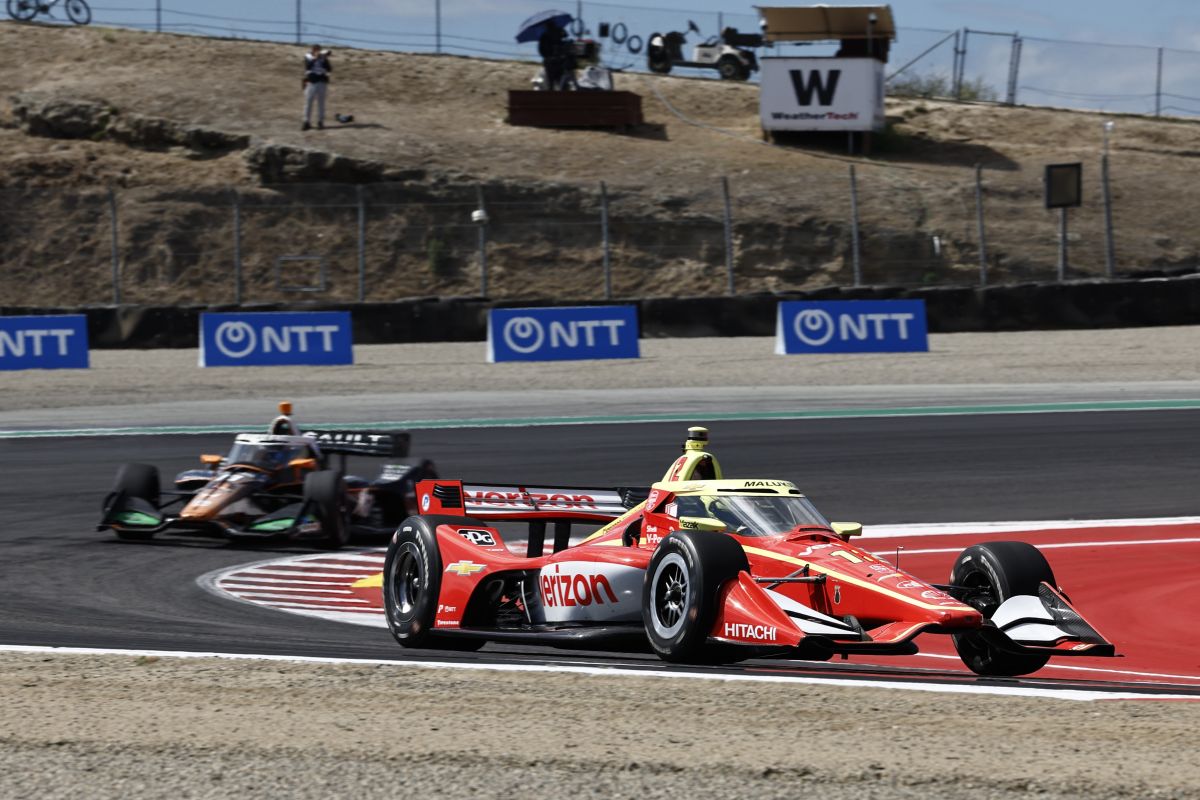
The big question heading into the season was: Was David Malukas' move to Team Penske too early? The young American provided a clear answer by beating his more experienced teammates on almost every level - the only area in which he came up short was wins. But with four second-place finishes, including the Indy 500, Malukas has shown that his first IndyCar win is just a matter of time.
Josef Newgarden showed clear improvement after a dramatic 2025 season, but despite two wins, he was clearly the third driver. The question with Newgarden is how much he was affected by the foot injury he suffered in a crash during the Indy 500. Still, it is notable how indifferent Newgarden appeared during the season, raising questions about how motivated he still is.
McLaughlin was able to give Malukas some resistance, with the second half of the season in particular starting to come together. A win at Laguna Seca was a fitting reward for the recovery he began this year. Still, he, along with his teammates, remains well away from the championship battle - a battle Team Penske should be part of.
| Duel | Qualifying | Race |
|---|---|---|
| D. Malukas / J. Newgarden | 15-3 | 10-8 |
| D. Malukas / S. McLaughlin | 10-8 | 10-8 |
| J. Newgarden / S. McLaughlin | 7-11 | 8-10 |
Photography