
Winner: Chip Ganassi Racing
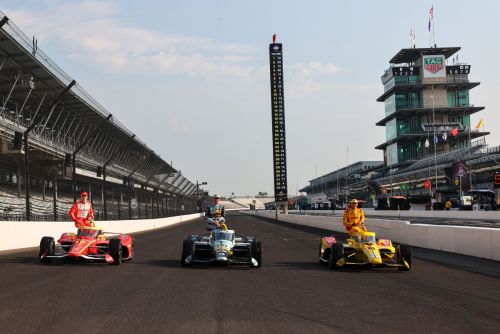
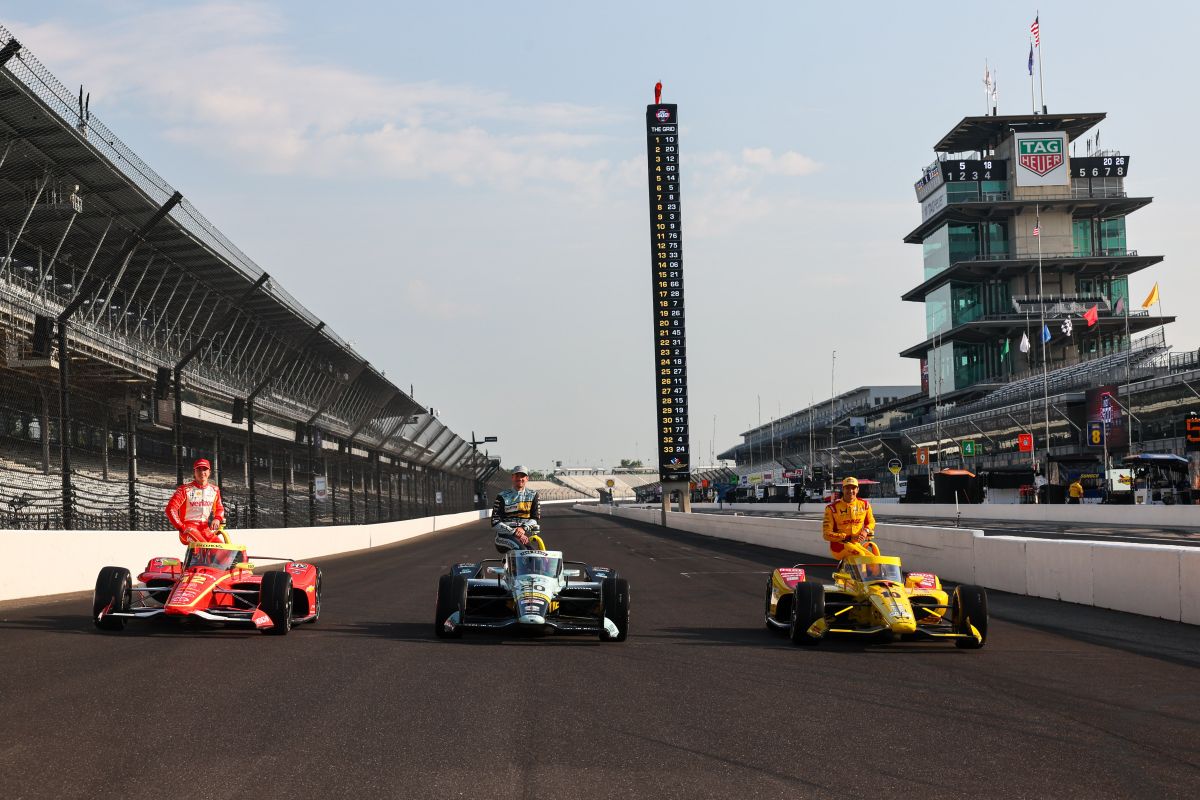
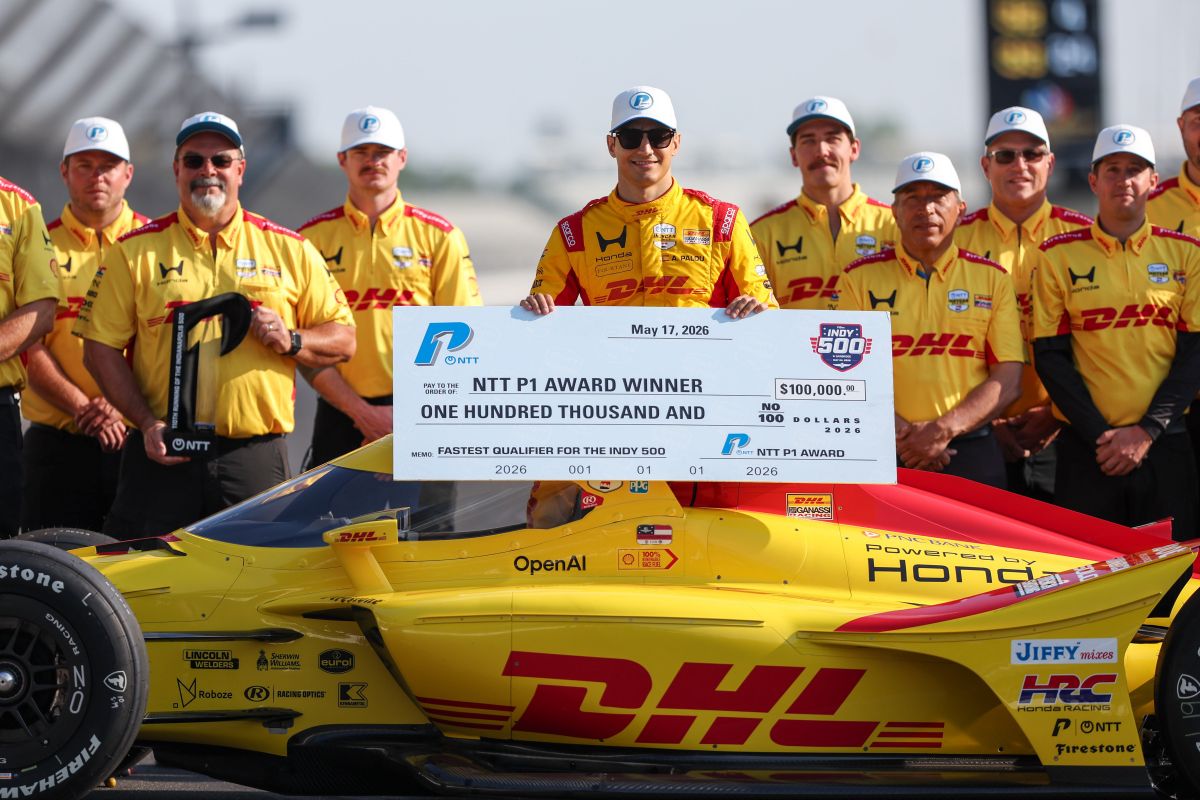
While it initially looked like Chevrolet had the strongest engines for qualifying, the Honda-powered Chip Ganassi Racing operation put a stop to the American manufacturer’s dominance. The cars prepared by Chip Ganassi Racing, including Felix Rosenqvist’s Meyer Shank Racing entry, were the only Hondas to make it into the Top 12 Qualifying.Scott Dixon may have been slightly disappointing in the Top 12 session, but Kyffin Simpson earned the best Indy 500 qualifying result of his career with seventh place. Alex Palou showed his true speed for the first time during that session, before going even faster in the Firestone Fast 6 to secure his second Indy 500 pole position. Impressive work by both Palou and Chip Ganassi Racing!
Loser: Meyer Shank Racing
With Felix Rosenqvist behind the wheel, Meyer Shank Racing was in a league of its own during the first two qualifying segments. In the opening segment, the Swede was 0.786 mph faster (more than half a second) than the rest of the field, while in the second segment he maintained a margin of 0.400 mph (0.27 seconds).Rosenqvist entered the Firestone Fast 6 as the favorite for pole position. But while the track conditions improved, Rosenqvist suddenly became much slower. To his own surprise, his Firestone Fast 6 qualifying run was 1.224 mph slower than his opening qualifying attempt. While Rosenqvist lost time with every qualifying run, Alex Palou kept finding more speed — yet even Palou’s pole-winning run could not match Rosenqvist’s first qualifying run of the day. It is fair to say that Rosenqvist lost pole position himself. A disappointing fourth place is at least some consolation.
Despite the clear speed in the Meyer Shank Racing cars, Helio Castroneves and Marcus Armstrong were major disappointments with 15th- and 17th-place qualifying results respectively. Both drivers could have achieved much more with the competitive equipment at their disposal but failed to maximize it.
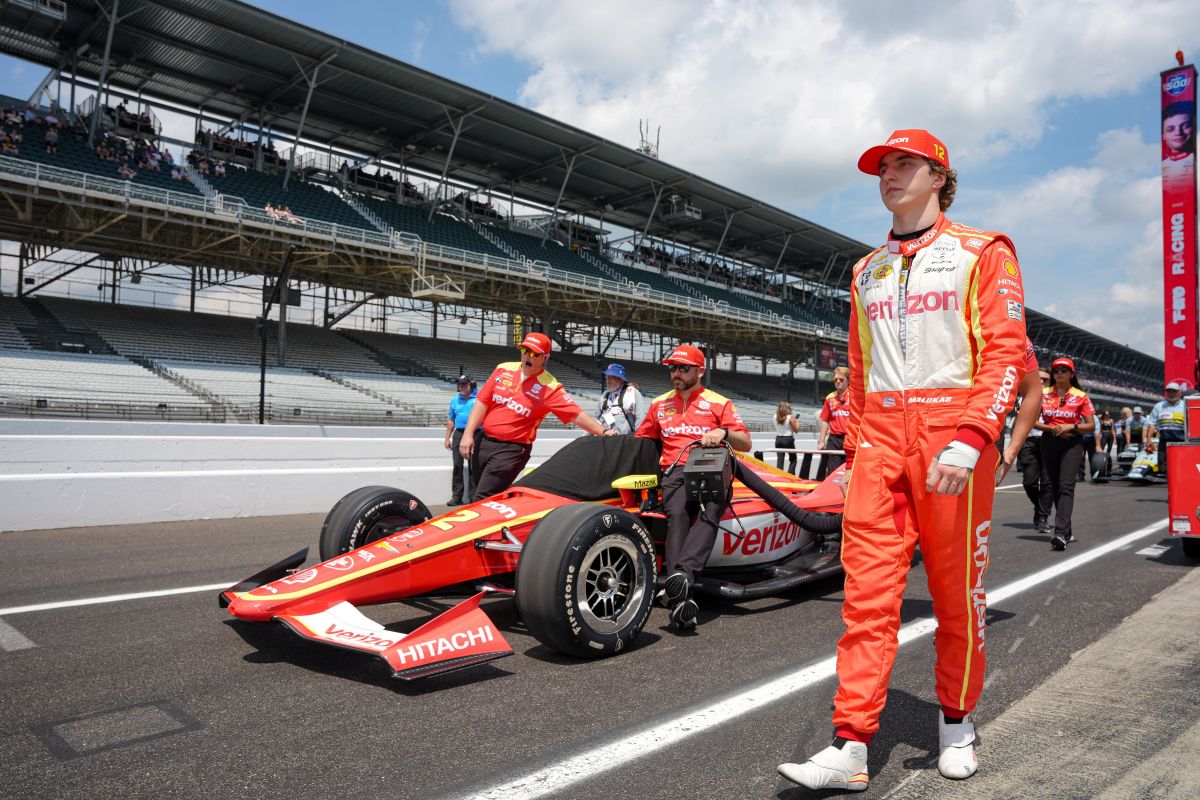
Winner: David Malukas
Before the start of the IndyCar season, there were still doubts about whether David Malukas’ move to powerhouse Team Penske had come too early. In previous races he had already answered those questions by outperforming his teammates. He reinforced that by becoming the only Penske driver to reach the Firestone Fast 6 and qualify on the front row. Another strong performance from the young American!Losers: Scott McLaughlin and Josef Newgarden
Two years ago, Team Penske locked out the first row in Indy 500 qualifying, with Scott McLaughlin and Josef Newgarden qualifying second and third. This year, McLaughlin could only manage ninth, while Newgarden posted just the 24th-fastest time in the opening qualifying segment (before Caio Collet’s disqualification). That left them behind their far less experienced teammate David Malukas and even behind smaller Chevrolet teams such as AJ Foyt Racing, ECR and Dreyer & Reinbold Racing.When Newgarden was later asked what had gone wrong, the question was avoided and brushed aside as if nothing had happened. McLaughlin did admit that he struggled with the balance of his car. More was expected from Team Penske’s experienced star drivers. Fortunately for Newgarden and McLaughlin, the majority of points are awarded next weekend!
Winner: AJ Foyt Racing
At AJ Foyt Racing, the team was confident they had competitive race cars, but they were far less certain about qualifying pace. Santino Ferrucci even admitted afterward that he never expected to make the Firestone Fast 6.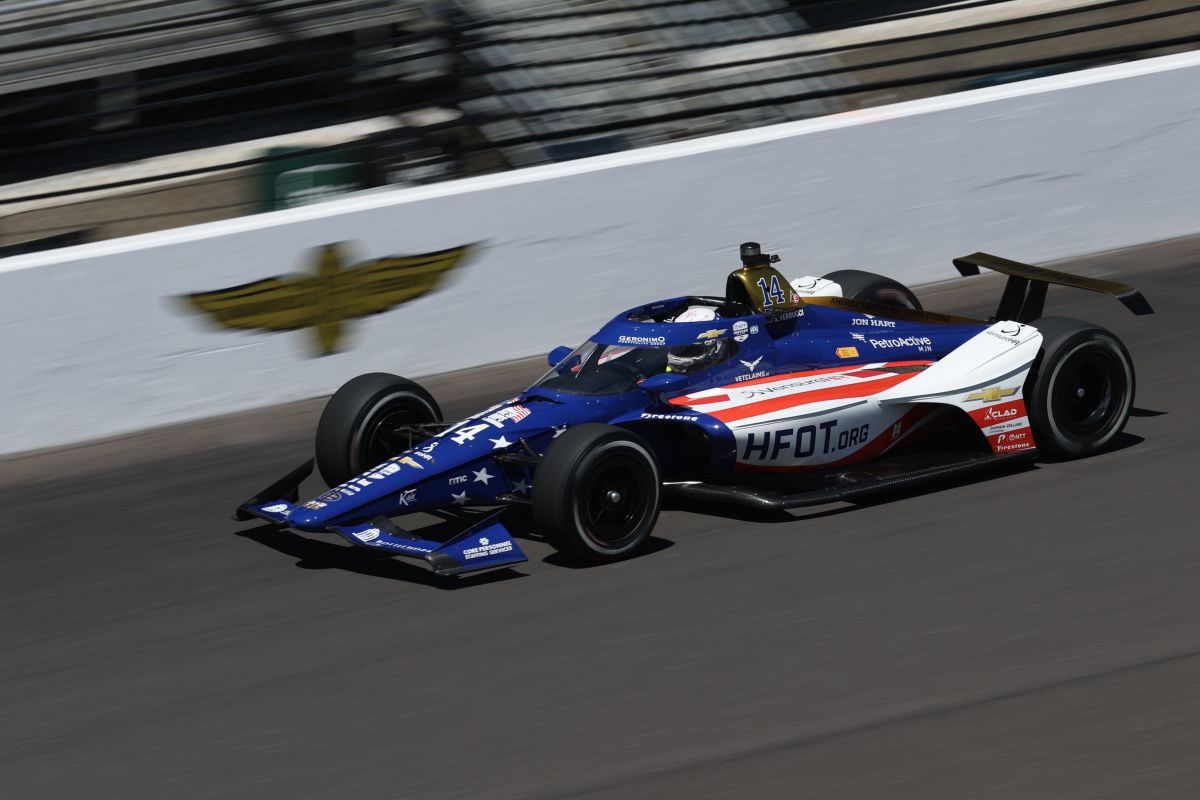
Even though 10th place was already an excellent result for Collet, the rookie still felt he could have achieved more and was frustrated that he had completed his final qualifying run with slightly too little downforce. Because of the disqualification, Collet will now start the race from 32nd and will have to fight his way through the field.
Loser: Andretti Global
Andretti Global drivers regularly appeared inside the top ten during practice, but as soon as the boost levels were increased, the team suddenly lost all of its speed. During Fast Friday practice, Marcus Ericsson, Kyle Kirkwood and Will Power all ended up outside the top twenty and the team was already preparing for disappointing grid positions.Partly because of the disqualifications handed to Collet and Harvey, Ericsson qualified 17th, Will Power 19th and Kirkwood 25th. For a top team like Andretti Global, those results sound terrible, but the drivers admitted afterward that things could have been even worse — they had feared much poorer performances.
Fortunately for the team, the boost levels were reduced again after qualifying weekend and during Monday practice all three Andretti Global drivers returned to the top twenty.
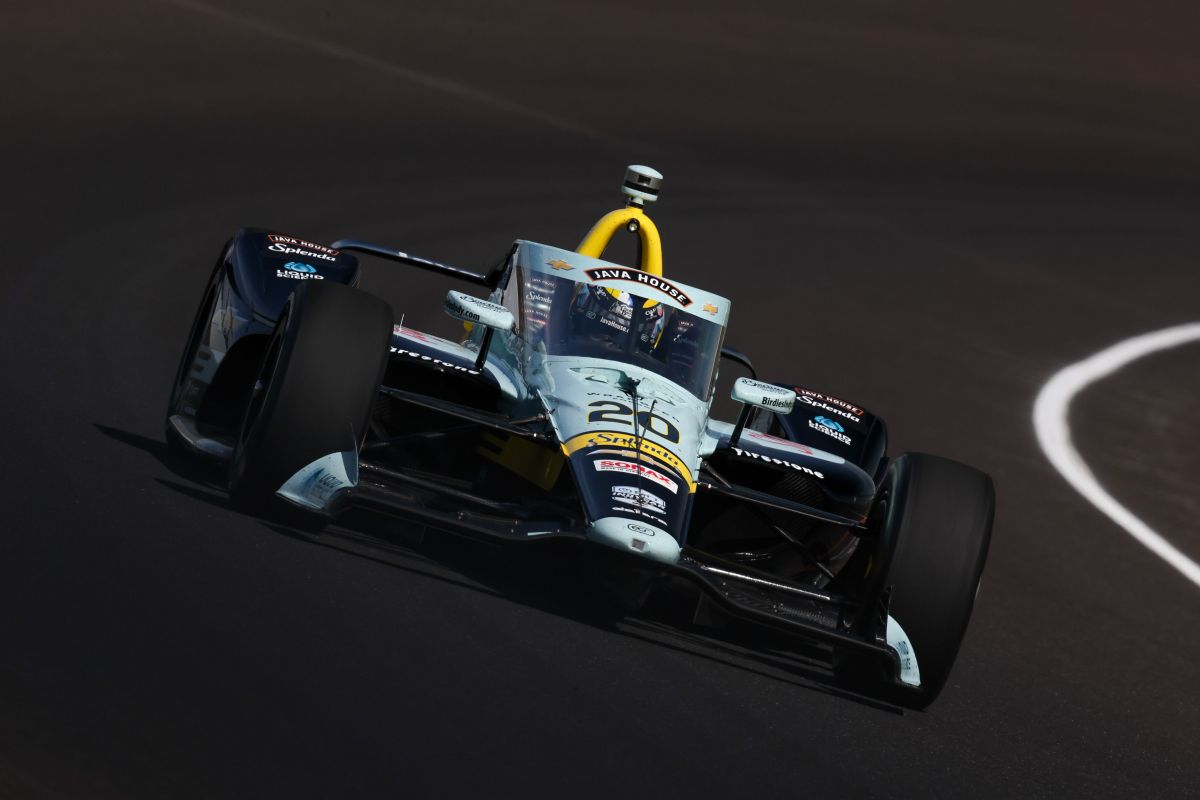
Winner: Alexander Rossi
One year after Alexander Rossi came up just short of the Top 12 Qualifying time and time again during Saturday qualifying, this year’s qualifying session went much more smoothly for the California native.Rossi later explained that he approached every qualifying run differently, eventually making it into the Firestone Fast 6 after posting two sixth-place runs. There, he delivered when it mattered most: with by far his best qualifying run of the day, he placed his ECR machine on the front row in second position.
The celebrations were short-lived. Less than 20 hours after his heroic qualifying performance, Rossi lost control of his car in Turn 2 and crashed heavily. The impact was severe enough that he suffered minor injuries to his left hand and right ankle, both of which required surgery. He will be reevaluated ahead of Friday’s Carb Day practice to determine whether he is cleared to drive again, although that would have to happen in a rebuilt backup car.
Loser: Rahal Letterman Lanigan Racing
Rahal Letterman Lanigan Racing and the Indy 500 have not been a successful combination in recent years. Once again, Takuma Sato was the only driver able to extract real speed from the team’s cars, although even he was less competitive than last year. The Japanese veteran eventually had to settle for 12th on the grid after completing his qualifying run with too much downforce, creating too much drag on the straights.Louis Foster complained about having too little downforce during his qualifying run and will start the race from 21st. Rookie Mick Schumacher did manage to impress by qualifying 27th, ahead of his experienced teammate Graham Rahal. Rahal ended up one spot further back, which still counts as a relatively decent qualifying result for him after years of struggling at the Indianapolis Motor Speedway.
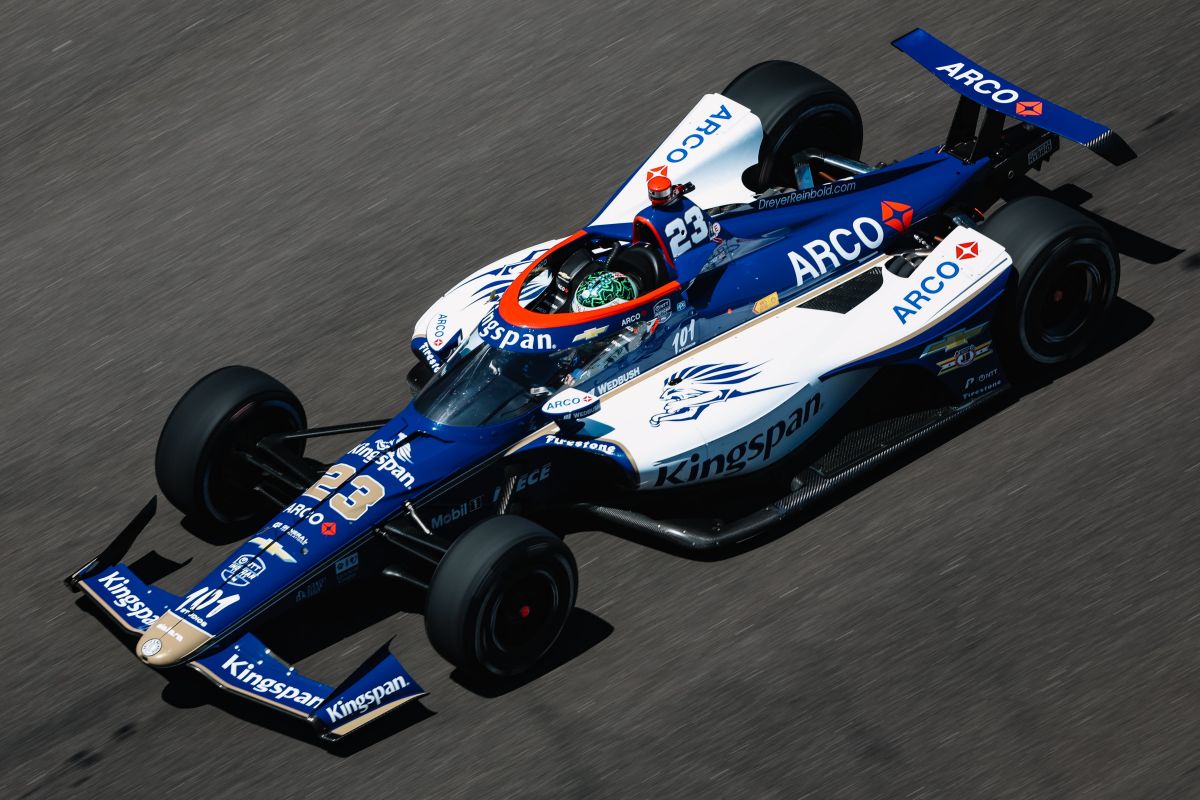
Winners: Rinus VeeKay and Conor Daly
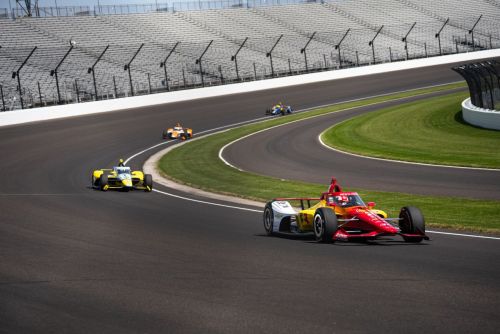
At the combined Juncos Hollinger Racing and Dreyer & Reinbold Racing operation, Rinus VeeKay and Conor Daly were undoubtedly the big winners. In the opening segment, Daly posted an impressive third-fastest time, while VeeKay also turned heads with the fifth-fastest run. During the Top 12 Qualifying session, however, both drivers gambled on extremely low-downforce setups — in hindsight, too little downforce.The result of that low-downforce approach was significantly higher tire wear than expected. For VeeKay especially, it initially produced a extremely fast opening lap before massive drop-off later in the run, leaving him set to start 11th. Daly experienced much less drop-off, but simply lacked enough overall speed because of the setup choice and will start eighth.
Even though neither driver was satisfied with their final qualifying run, both delivered historically strong results for their teams. Daly’s eighth-place starting spot is the best Indy 500 qualifying result for Dreyer & Reinbold Racing since Robbie Buhl qualified second in 2002, while VeeKay became the first Juncos Hollinger Racing driver ever to reach the Top 12 Qualifying.
Losers: Sting Ray Robb and Jack Harvey
Having competitive equipment is no guarantee for strong results — something Sting Ray Robb and Jack Harvey experienced firsthand. Harvey had shown throughout the entire practice week that he had the speed to compete for a Top 12 Qualifying spot, but during his run in the opening qualifying segment he encountered an issue with fifth gear, limiting him to a disappointing 29th-place result. He will ultimately start last after his car failed post-qualifying technical inspection.Sting Ray Robb had access to the same equipment as his Juncos Hollinger Racing/Dreyer & Reinbold Racing teammates, but struggled massively with his car during qualifying. He even admitted afterward that the word 'disastrous' did not fully cover his qualifying performance. Robb ended up 1.5 mph slower than the rest of the field, which translated to more than a full second deficit to the 32nd-fastest driver. The only positive for Robb was that there were no bumping scenarios this year — otherwise he would have been watching the race from the sidelines.
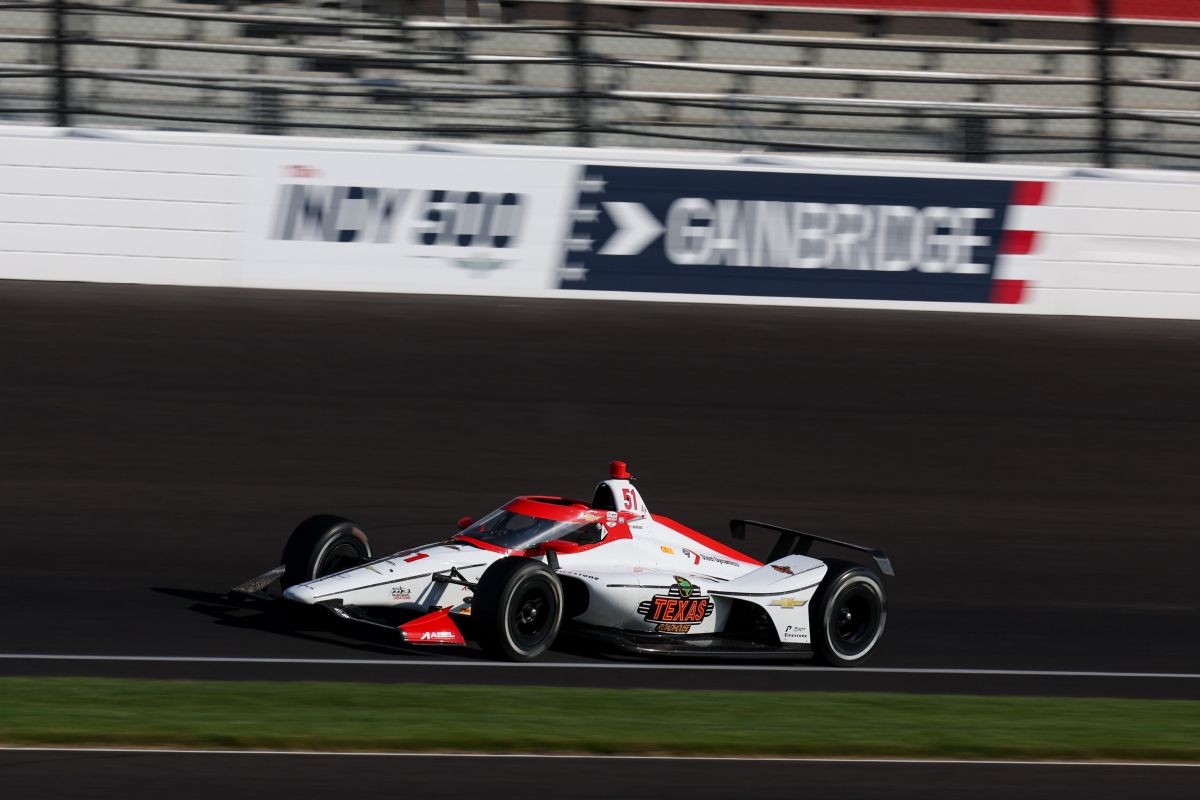
Winner: Jacob Abel
Last year, Jacob Abel hoped to make his Indy 500 debut, something he had dreamed about for years. At Dale Coyne Racing, however, he had by far the least competitive equipment in the field. After a direct battle for the final starting spot against his experienced teammate Rinus VeeKay, he came up short. The young American responded to that disappointment in a realistic and mature way, even stating that he would not have wanted to make the field through Team Penske disqualifications.This year, Abel does not have a full-time IndyCar ride, but with a self-run effort operated by his father’s Indy NXT team, he will finally make the starting field. Despite possibly having the least experienced team behind him, Abel showed significant progress throughout practice. During qualifying, he avoided taking unnecessary risks and secured 32nd on the grid — finally making his dream of starting the Indy 500 come true.
Photography